Explore the Benefits of Bamboo Cooking Utensils for Chefs?
As chefs continuously seek tools that enhance their culinary experience, Bamboo Cooking Utensils have surfaced as a popular choice. These utensils, crafted from a sustainable resource, provide both functionality and aesthetic appeal. Bamboo’s natural properties make it resistant to bacteria and odors, promoting a healthier cooking environment.
Using Bamboo Cooking Utensils not only benefits the chef but also the planet. With their lightweight design, these utensils reduce strain on the hands during extended cooking sessions. Their sturdy nature ensures they withstand high temperatures without warping or melting, a common issue with synthetic materials. Yet, some chefs find them less durable than metal options and may need to replace them more frequently.
Moreover, the unique texture of Bamboo Cooking Utensils provides an enjoyable cooking experience. Chefs often appreciate the gentle action on cookware, preventing scratches and damage. There’s an undeniable charm in using tools that are environmentally friendly. However, transitioning to bamboo can require some adjustment. Not all chefs may find the same level of precision they expect from traditional utensils. Adapting to Bamboo Cooking Utensils might pose a challenge, but the potential rewards are worth considering.
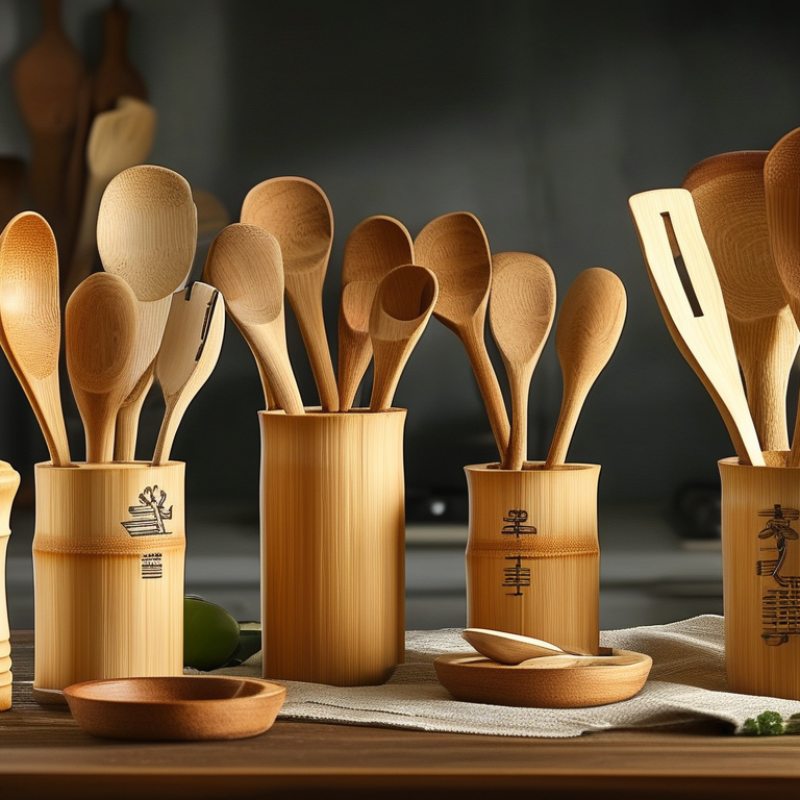
Benefits of Bamboo Cooking Utensils for Culinary Professionals
Bamboo cooking utensils are gaining popularity among culinary professionals. These tools are lightweight, sturdy, and eco-friendly. Chefs appreciate how bamboo does not absorb odors or flavors, maintaining the integrity of various dishes. This material is also non-reactive, making it safe for use with acidic ingredients like tomatoes and vinegar.
One benefit of using bamboo is its ability to withstand high temperatures. Unlike plastic, bamboo won’t melt or warp when exposed to heat. This makes it ideal for stirring and flipping in hot pans. However, bamboo requires care; it should be cleaned promptly and not soaked in water.
Another advantage is sustainability. Bamboo grows rapidly and can be harvested without damaging the environment. This aligns with the growing trend of sustainability in the culinary world. Chefs who prioritize eco-friendly practices will find satisfaction in using these utensils.
When selecting bamboo tools, look for high-quality options with a smooth finish. This will ensure a pleasant cooking experience. Regularly checking for splinters or wear is essential; maintaining utensils prolongs their lifespan. In the world of cooking, even small shifts can lead to better practices.
Eco-Friendly Alternative: Sustainability of Bamboo Utensils
Bamboo cooking utensils offer chefs an eco-friendly alternative in a world increasingly concerned with sustainability. According to the World Economic Forum, more than 80% of plastic waste is not recycled, significantly impacting our environment. Bamboo, on the other hand, is a rapidly renewable resource, capable of growing up to three feet in a single day. This growth rate makes bamboo a sustainable choice for kitchen tools.
Using bamboo utensils reduces dependence on plastic. A study from the Ellen MacArthur Foundation shows that transitioning to renewable materials could cut greenhouse gas emissions and reduce plastic pollution substantially. Chefs can prepare meals with peace of mind, knowing their kitchen tools contribute to a healthier planet. Additionally, bamboo utensils are naturally resistant to bacteria, helping reduce food contamination. However, they do require proper care to maintain their integrity and longevity.
Make sure to hand wash bamboo utensils in warm, soapy water. Avoid submerging them in water for extended periods. Store them in a cool, dry place. Proper care extends their lifespan and maintains their eco-friendly quality. While bamboo utensils are durable, they can chip or crack if not handled with care. Chefs should always inspect tools for wear and replace them if necessary. This mindfulness in kitchen equipment reflects a commitment to sustainability and craftsmanship.
Durability and Longevity of Bamboo Cooking Tools
Bamboo cooking utensils have gained popularity among chefs due to their impressive durability and longevity. Recent industry reports indicate that bamboo is an incredibly strong material. In fact, bamboo can be up to 30% stronger than many hardwoods, making it a practical choice for daily kitchen use. Chefs rely on tools that withstand high temperatures and regular wear. Bamboo satisfies both needs, resisting cracking and warping.
One of the surprising benefits of bamboo is its natural resistance to bacteria. Studies show that bamboo contains a substance called "bamboo kun," which helps keep utensils hygienic. This means decreased risk of contamination in busy kitchens. However, some chefs still worry about scratches over time. While bamboo is sturdy, improper care can lead to surface damage. Regular oiling can enhance its lifespan and maintain its appearance.
Furthermore, the longevity of bamboo utensils can reduce waste. With proper maintenance, these tools can last for several years. Comparing this to plastic or even some metal utensils, which often require replacement, bamboo stands out as a sustainable option. Yet, it’s essential to acknowledge that exposure to water should be limited, as prolonged soaking can weaken the material. This aspect requires mindful cleaning practices among chefs who value durability.
Health Benefits: Non-Toxic and Safe Cooking Experience
Bamboo cooking utensils offer remarkable health benefits for chefs. These utensils are crafted from natural bamboo, making them non-toxic and an excellent choice for anyone conscious about food safety. Unlike plastic utensils, bamboo does not leach harmful chemicals into food during cooking. This is vital for maintaining a safe cooking environment, especially when preparing meals for families or catering.
Using bamboo utensils can enhance your culinary experience. The lightweight nature of bamboo makes it easy to handle, reducing the strain on hands during long cooking sessions. They are also gentle on cookware, preventing scratches on delicate surfaces. However, it's essential to keep them dry and clean properly to avoid any potential mold growth. Regular maintenance can be inconvenient for some chefs, but it ensures the longevity and safety of the utensils.
Moreover, bamboo is a sustainable material, adding to the appeal for environmentally conscious chefs. Its rapid growth and renewability contribute to reducing the carbon footprint. On the flip side, the aesthetic appeal of bamboo may not suit every kitchen style. Chefs must weigh the pros and cons based on personal preferences. Ultimately, bamboo cooking utensils can enhance both health and sustainability in any kitchen environment.
Versatility in Cooking: Adapting to Various Culinary Techniques
Bamboo cooking utensils have gained popularity among chefs due to their versatility. They can handle a range of temperatures and are gentle on all types of cookware. A study published in the Journal of Culinary Science & Technology notes that bamboo is a low-conductivity material, which means it doesn’t transfer heat quickly, reducing the risk of burns while cooking. This aspect allows chefs to adapt easily to various culinary techniques, from sautéing to delicate stirring.
Moreover, bamboo utensils are less likely to scratch non-stick surfaces or other cookware. The density of bamboo gives it a sturdy yet flexible quality, making it effective for both mixing and flipping. According to a report from the Specialty Food Association, 68% of professional chefs prefer using materials that do not leach chemicals into food. Bamboo fulfills this need for safer cooking. However, not all bamboo utensils are made equally. Some cheaper options may not provide the same durability, requiring chefs to be discerning when choosing their tools.
While bamboo offers numerous advantages, it also presents challenges. For instance, over time, bamboo can warp or crack if not adequately cared for. Proper maintenance, such as hand washing and occasional oiling, is crucial to prolonging their lifespan. Chefs must adapt their habits to ensure the longevity of these utensils. So, while they provide great benefits, the potential drawbacks lead to important considerations in their use.
 Skip to content