Discovering the Benefits of Light Home for Sustainable Living
In the quest for sustainable living, the concept of a "Light Home" emerges as a beacon of hope and innovation. This approach emphasizes the harmony between human habitation and the natural environment by leveraging energy-efficient practices and sustainable materials. A Light Home is designed not only to minimize ecological footprints but also to enhance the quality of life for its inhabitants. By integrating smart technologies, natural lighting, and renewable energy sources, these homes reduce reliance on traditional energy grids, thus promoting a more sustainable lifestyle. Moreover, the benefits of a Light Home extend beyond environmental impact; they encompass improved health and well-being for residents through optimized living spaces that foster comfort and serenity. As we delve into the myriad advantages of Light Homes, we uncover why this model of living is not just a trend but a necessary evolution for a sustainable future.
Benefits of Light Home Design for Eco-Friendly Living
Light home design is an innovative approach to sustainable living, offering numerous benefits for eco-friendly lifestyles. By utilizing natural materials, maximizing energy efficiency, and promoting indoor air quality, light homes significantly reduce their environmental impact. According to a report by the Global Alliance for Buildings and Construction, energy-efficient homes can cut energy consumption by up to 50%, making them a pivotal part of the fight against climate change. Moreover, light home designs often incorporate passive solar techniques, providing natural heating and cooling that can decrease reliance on traditional HVAC systems.
The incorporation of sustainable materials, such as bamboo or recycled steel, plays a crucial role in light home design. These materials not only lower carbon footprints but also enhance durability and aesthetic appeal. A study by the U.S. Green Building Council indicates that green buildings can improve occupant health and productivity by 16%, showcasing the importance of light home design for overall well-being.
**Tips for Creating a Light Home:**
1. Opt for large windows and skylights to enhance natural light and reduce reliance on artificial lighting.
2. Choose non-toxic, eco-friendly paints and finishes to improve indoor air quality and create a healthier living environment.
3. Implement rainwater harvesting systems to utilize natural resources and reduce water consumption in your home.
Discovering the Benefits of Light Home for Sustainable Living - Benefits of Light Home Design for Eco-Friendly Living
| Benefit |
Description |
Impact on Sustainability |
Implementation Level |
| Energy Efficiency |
Utilizes natural light to reduce reliance on artificial lighting. |
Reduces energy consumption and lowers carbon footprint. |
High |
| Improved Indoor Air Quality |
Incorporates natural ventilation and non-toxic materials. |
Enhances occupant health and reduces pollutants. |
Medium |
| Water Conservation |
Integrates rainwater harvesting and greywater recycling systems. |
Reduces water wastage and promotes responsible water use. |
Medium |
| Sustainable Materials |
Uses recycled and sustainably sourced materials in construction. |
Minimizes environmental impact and promotes a circular economy. |
High |
| Enhanced Aesthetic Appeal |
Creates pleasant living spaces with natural light and greenery. |
Promotes well-being and reduces stress, leading to a better quality of life. |
Low |
Key Features of Light Home Sustainability Practices
Light homes embody the principles of sustainable living through key features that optimize energy efficiency and reduce environmental impact. One significant aspect is the use of natural lighting, which minimizes reliance on artificial sources. By strategically positioning windows and skylights, light homes can harness sunlight throughout the day, resulting in lower electricity bills and a smaller carbon footprint.
Tip: Consider using light-colored walls and reflective surfaces to enhance the natural light within your home. This simple adjustment can significantly brighten spaces without additional energy consumption.
Another essential feature of light home sustainability practices is the incorporation of renewable materials. Sustainable building materials such as bamboo, recycled wood, and low-impact insulation not only reduce resource depletion but also contribute to healthier indoor air quality. These materials are often more durable and require less maintenance, further promoting sustainability.
Tip: When renovating or building, opt for local materials to reduce transportation emissions and support local economies. This choice not only benefits the environment but can also add unique character to your home.
Integrating Natural Light for Energy Efficiency
Integrating natural light into home designs is a powerful strategy for enhancing energy efficiency and promoting sustainable living. According to the U.S. Department of Energy, strategic use of daylight can reduce energy consumption by up to 30% in residential buildings. By orienting windows to capture optimal sunlight and utilizing materials that reflect light, homeowners can significantly decrease their reliance on artificial lighting, particularly during peak hours.
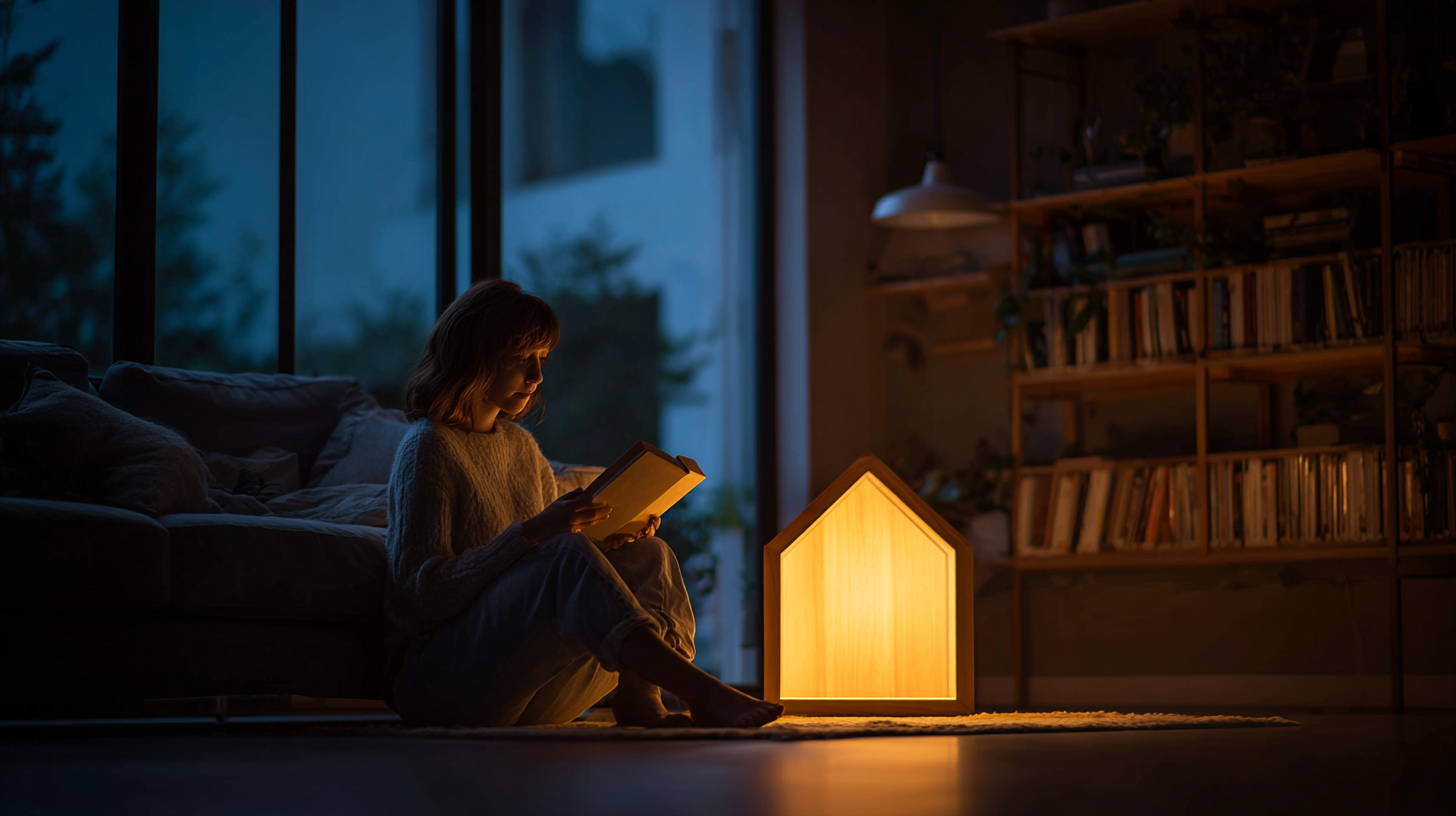
Moreover, maximizing natural light not only conserves energy but also improves indoor air quality and overall well-being. The World Green Building Council reports that natural light can enhance occupant productivity and mood, leading to greater satisfaction in living spaces. In fact, studies show that well-lit environments can lead to a 15% increase in employee productivity, highlighting the importance of light in both residential and commercial settings. As more homeowners seek sustainable solutions, integrating natural light emerges as a crucial element for energy efficiency and a healthier lifestyle.
The Role of Minimalism in Sustainable Home Layouts
Minimalism plays a crucial role in the development of sustainable home layouts, fostering an environment where less truly leads to more. The concept of decluttering has gained traction, supported by a cultural shift towards simplifying living spaces. Popular literature has popularized the notion that “less is more,” prompting individuals to rethink their relationship with material goods. With the home storage products market expected to grow steadily at a CAGR of 5.5%, the demand for organized and space-saving solutions reflects a collective inclination towards sustainable consumption practices.
Experts suggest that a minimalist approach to kitchen design prioritizes functionality and organization, advocating for the absence of six common items often deemed unnecessary. By embracing minimalism, homeowners can significantly reduce clutter and waste, contributing to a more sustainable lifestyle. This trend resonates particularly with younger generations, such as millennials, who are increasingly redefining luxury through simplicity. Their preference for streamlined living reflects a desire to escape the fast-paced consumer culture, opting instead for clarity and intentionality in their spaces. Emphasizing the potential of minimalism not only enables a more sustainable home layout but also encourages a broader cultural shift towards mindful living.
Innovative Materials for Building a Light Home
Building a light home is not just about reducing energy consumption; it's also about embracing innovative materials that enhance sustainability. Modern building techniques often incorporate eco-friendly materials such as bamboo, reclaimed wood, and straw bales. These materials not only minimize the carbon footprint but also provide excellent insulation, ensuring that homes remain energy-efficient year-round. The use of recycled metals and low-impact concrete alternatives can further reduce the environmental impact while maintaining structural integrity.
**Tips:** When selecting materials for your light home, consider their life cycle and sustainable sourcing. Look for certifications like FSC (Forest Stewardship Council) for wood products and LEED (Leadership in Energy and Environmental Design) compliance for overall building materials. Incorporating natural elements like earth and stone can also enhance the home's aesthetic while fostering a connection to nature.
Advanced technologies, such as super-insulating panels and green roofs, are revolutionizing how we think about home construction. These innovations not only improve energy efficiency but also contribute to a healthier living environment. Utilizing solar water heaters and rainwater harvesting systems alongside natural building materials can elevate a light home’s sustainability quotient, making it an ideal choice for eco-conscious homeowners.
**Tips:** Always research the long-term benefits of materials and technologies to ensure they align with your sustainability goals. Collaborate with local architects or builders who specialize in green construction to maximize your light home's potential.
Benefits of Using Innovative Materials in Light Homes for Sustainable Living
 Skip to content