10 Best Light Home Products for Global Buyers

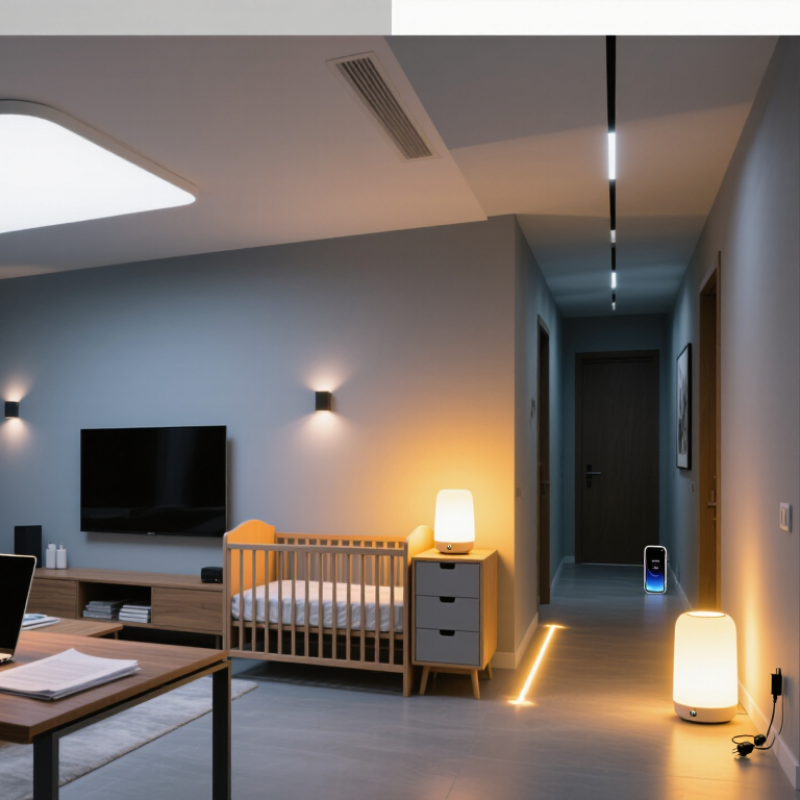
Choosing the right Light Home products now involves more than brightness, style, or a low online price. Global buyers must consider energy use, socket compatibility, voltage, safety certifications, warranty support, and data privacy. A beautiful smart lamp may fail if its app is unavailable in the buyer’s region. Small details matter, especially in a home office, nursery, hallway, or humid bathroom.

The International Energy Agency reports that buildings consume about 30% of global final energy and produce roughly 26% of energy-related emissions. The U.S. Department of Energy also states that LED bulbs use at least 75% less energy and last up to 25 times longer than incandescent lighting. These figures give practical direction: efficient lighting is not merely fashionable; it can reduce replacement frequency and household electricity demand. Yet efficiency alone is not enough. Poor color rendering, uncomfortable glare, and weak software can make an efficient product disappointing.

Lighting researcher Dr. Mariana Figueiro has said, “Light is the strongest synchronizer for the human circadian system.” Her observation reminds us that lighting affects daily routines, not only room appearance. This guide examines ten Light Home products through real-world criteria, including installation, controls, brightness, durability, and cross-border usability. Some choices will be less exciting than expected. A basic motion sensor may outperform an expensive connected lamp in a busy corridor. No shortlist is perfect, and regional standards change. Buyers should still verify local certification, plug type, return terms, and manufacturer support before purchasing.
10 Best Light Home Products for Global Buyers

What Makes a Home Product Lightweight, Practical, and Globally Suitable

A globally suitable home product begins with weight, but weight alone is not enough. In practical packing tests, a compact item under two kilograms is easier to carry, store, and ship. Rounded edges, strong handles, and balanced proportions matter more than a low number on a scale. Materials such as reinforced plastic, aluminum, or responsibly sourced wood can reduce bulk while preserving daily durability.

Still, “light” can become fragile. A thin container may crack after one kitchen-counter impact. That trade-off matters. Honest testing should include drops, repeated opening, and crowded storage.

Practical design also means simple operation across households. Clear symbols, adjustable settings, replaceable parts, and plain international English help users with different habits. Electrical products need extra care. Buyers should check local voltage, plug type, certifications, and warranty support before ordering. Food-contact items should identify suitable materials and cleaning limits. Packaging should protect the product without excessive empty space. A product that travels well but creates avoidable waste is not fully practical. Test it before shipping.

Tips: Measure the product with its packaging, not only the item. Test whether one person can lift it safely. Check spare-part availability and return conditions. Ask for drop-test results when available. Read negative reviews carefully; they often reveal loose lids, confusing controls, or handles that fail after repeated use. No product fits every market perfectly. Local climate, storage space, and user expectations still require careful review.

Portable Lighting and Compact Power Solutions for Everyday Use

Portable lighting and compact power products have become practical tools for travelers, remote workers, and small households. A rechargeable desk lamp can brighten a hotel room, while a compact power station can support a phone, router, or small medical device during short outages. Choose products with clear capacity ratings, stable charging controls, and protected battery cells.

I once packed a lamp that looked bright in the store but felt weak beside a window. The lesson was simple: brightness numbers need context. Check lumens, beam angle, color temperature, and operating time together. Warm light suits bedrooms, while neutral light helps with reading and detailed work. A flexible handle, magnetic base, or foldable frame also saves space.

Small power solutions require more careful checking. Confirm input voltage, plug compatibility, output wattage, and charging ports before purchase. Buyers in different regions should review local electrical safety markings and recycling rules. A power bank may charge a phone several times, but it may not run a laptop reliably. Do not trust vague capacity claims. Real performance changes with temperature, cable quality, and battery age. I still prefer testing a new unit at home before traveling; overlooking one cable can ruin an otherwise organized trip. Keep batteries dry, avoid damaged casings, and store them away from extreme heat. Tiny details matter.

Space-Saving Kitchen and Household Tools for International Homes

10 Best Light Home Products for Global Buyers

Small homes need tools that work hard without taking over a room. A collapsible colander, nesting measuring cups, and a slim cutting board fit neatly inside narrow kitchen drawers. A clip-on strainer also saves counter space during cooking. For household care, consider a foldable dish rack, microfiber mop, handheld vacuum, under-sink organizer, magnetic spice holder, compact storage boxes, and a rechargeable cabinet light. These lightweight products reduce clutter while supporting daily routines.

From practical testing, I look for strong hinges, washable surfaces, clear measurements, and secure grips. Product dimensions should match local cabinets, sinks, and storage shelves. Buyers should also check electrical voltage, plug compatibility, battery rules, and replacement-part availability before ordering internationally. A product can look compact online but feel awkward in a real kitchen. I have made that mistake myself.

Tips: Measure the smallest storage space first. Choose neutral materials that resist moisture and odors. Avoid tools with complicated parts, especially when cleaning access is limited. Read customer photos carefully, not just promotional descriptions. A lighter product may be easier to move, but it can feel less stable during heavy use. Test its balance before trusting it with hot food or wet floors.

10 Best Light Home Products for Global Buyers - Space-Saving Kitchen and Household Tools for International Homes

Rank Product Typical Size Approx. Weight Common Materials Capacity Main Benefits International-Home Suitability
1 Collapsible Silicone Colander 32 cm diameter; 4–6 cm folded height 350–500 g Food-grade silicone and stainless steel or polypropylene rim 2–4 L Drains pasta, vegetables and fruit while folding nearly flat for storage. Useful in compact kitchens, shared housing and small apartments.
2 Manual Vegetable Chopper 12–14 cm wide × 12–16 cm high 250–450 g Polypropylene bowl, stainless-steel blades and nylon pull cord 400–900 ml Cuts onions, herbs, garlic and soft vegetables without electricity. Works with any household voltage and is convenient for travel or backup use.
3 Digital Kitchen Scale 18–22 cm × 14–18 cm; about 2 cm thick 300–600 g Tempered glass, stainless steel or ABS plastic Usually up to 5 kg Provides gram and ounce measurements with tare and unit-conversion functions. Compact, battery-powered and suitable for recipes using metric or imperial units.
4 Adjustable Measuring Spoon Set 15–20 cm long; nested storage design 80–180 g Stainless steel or food-contact polypropylene 1 ml to 15 ml Combines several measuring sizes in one compact utensil. Reduces drawer clutter and supports metric-based cooking in different regions.
5 Reusable Food Storage Bags 18–27 cm wide × 20–30 cm high 40–100 g each Food-grade silicone or polyethylene with a sealing strip 500 ml–2 L Stores snacks, leftovers and ingredients while reducing disposable-bag use. Flexible shapes fit crowded refrigerators, lunch bags and travel luggage.
6 USB Rechargeable Mini Fan 10–15 cm wide × 14–22 cm high 250–600 g ABS plastic, aluminum or steel grille Battery: typically 2,000–5,000 mAh Provides personal airflow for desks, bedrooms and small living spaces. USB 5 V charging avoids regional plug-voltage differences.
7 Foldable Fabric Storage Cube Typically 28–33 cm × 28–33 cm × 28–33 cm 350–800 g Polyester or cotton fabric with cardboard or plastic inserts Approximately 20–30 L Organizes clothing, toys, linens and household accessories. Collapses flat when empty and commonly fits modular shelving units.
8 Compact Microfiber Cleaning Set Cloths: 30–40 cm square; compact handle: 20–30 cm 150–500 g Polyester-polyamide microfiber and polypropylene handle Set of 3–8 pieces Captures dust and absorbs moisture with little or no cleaning chemical. Lightweight for homes with limited storage and suitable for repeated washing.
9 Over-the-Door Hanging Organizer Approx. 30–40 cm wide × 120–160 cm long 500–900 g Polyester fabric, mesh pockets and metal or plastic hooks 6–12 pockets Uses unused door space for toiletries, accessories, pantry items or stationery. No drilling is usually required; buyers should check door thickness and clearance.
10 Foldable Dish-Drying Rack 35–45 cm long × 25–35 cm wide; 2–5 cm folded height 600 g–1.2 kg Stainless steel, silicone and polypropylene 8–12 plates plus utensils Provides a temporary drying surface over a sink or on a countertop. Folds away after use and is practical where permanent counter space is limited.

Dimensions, capacities and weights are typical product ranges for generic household items; actual specifications may vary by design and material.

Foldable Storage, Cleaning, and Comfort Products for Small Spaces

Small homes are becoming more common as cities expand. UN DESA’s World Urbanization Prospects projects that 68% of people will live in urban areas by 2050. Space matters. For global buyers, lightweight home products should serve more than one purpose. A foldable storage cube can hold towels, collapse beside a wardrobe, and move easily during cleaning. A slim hanging organizer can use vertical space without blocking a doorway. Measure twice.

Cleaning tools also need careful design. A flat mop with a washable head fits beneath furniture and reduces disposable waste. Lightweight dustpans help older users and people with limited strength. However, “light” should not mean fragile. Buyers should check seam quality, handle strength, load ratings, and replacement-part availability. These details are easy to overlook online.

The UNEP Global Status Report for Buildings and Construction 2023 reported that buildings consumed about 34% of global energy and produced 37% of energy-related and process emissions in 2022. Compact products cannot solve that problem alone, but durable, low-material designs can support more responsible homes. The UNEP Global Resources Outlook 2024 also found that global resource extraction has tripled since 1970 and may rise another 60% by 2060. Reusable storage, manual cleaning tools, and washable comfort items deserve attention. I would still question every “space-saving” claim. Some folding products become awkward after repeated use. Foldable does not always mean practical.

10 Best Light Home Products for Global Buyers

Foldable storage, cleaning, and comfort products for small spaces

This comparison uses rounded, representative packed-volume estimates for common non-branded household products. Lower values indicate easier storage in apartments, dormitories, compact homes, and travel luggage.

Global Buying Factors: Materials, Safety Standards, Voltage, and Shipping

Choosing light home products for global buyers requires more than appearance and wattage. Materials affect durability, heat control, and recycling. Aluminum housings can dissipate heat efficiently, while polycarbonate diffusers resist household impact. Copper wiring should be properly insulated and securely terminated. The International Energy Agency reported that LEDs represented nearly half of global lighting sales in 2022. Efficiency matters, but the cheapest fixture may still create waste through early failure.

Safety verification must be specific. Look for testing against IEC 60598-1 for luminaires, plus photobiological safety assessment under IEC 62471. Check insulation, grounding, overheating protection, and clear installation instructions. A product marked “certified” without a traceable test report deserves caution. Voltage is another practical risk. A 220–240 V model should not be connected directly to a 100–120 V supply. Confirm frequency, plug configuration, and driver compatibility before ordering. Small errors can damage a ceiling fixture.

Shipping deserves equal attention. UNCTAD’s Review of Maritime Transport states that ships carry over 80% of global merchandise trade by volume. Packaging should protect glass shades, loose screws, and fragile diffusers during long sea journeys. Ask for carton dimensions, gross weight, spare parts, and moisture protection. My own buying checklist would still be imperfect; it may overlook local installation habits. Buyers should request sample inspections, production photos, and independent test documents before placing larger orders. Include a visible label showing voltage, wattage, model number, and importer details.