What is the Best Type of Lighting Fixtures for Your Home?
Choosing the right lighting fixtures for your home is crucial for both functionality and aesthetics. According to renowned lighting designer, Sarah Johnson, "The right light can transform any space." With her extensive experience, Johnson emphasizes that lighting is not just practical; it creates mood and atmosphere.
Lighting fixtures come in various styles and functions. From chandeliers to wall sconces, each type serves a unique purpose. Think about how you want to feel in your space. Consider the difference between a bright overhead light versus soft ambient lighting. The choices can be overwhelming, and it’s easy to make mistakes.
Many homeowners overlook the importance of scale and placement. A large fixture in a small room can feel oppressive. Conversely, tiny fixtures may get lost in larger spaces. It’s essential to reflect on how your choices affect your home’s overall design. Balancing form and function requires careful thought. Selecting the best lighting fixtures can transform your home into a haven of comfort and style.
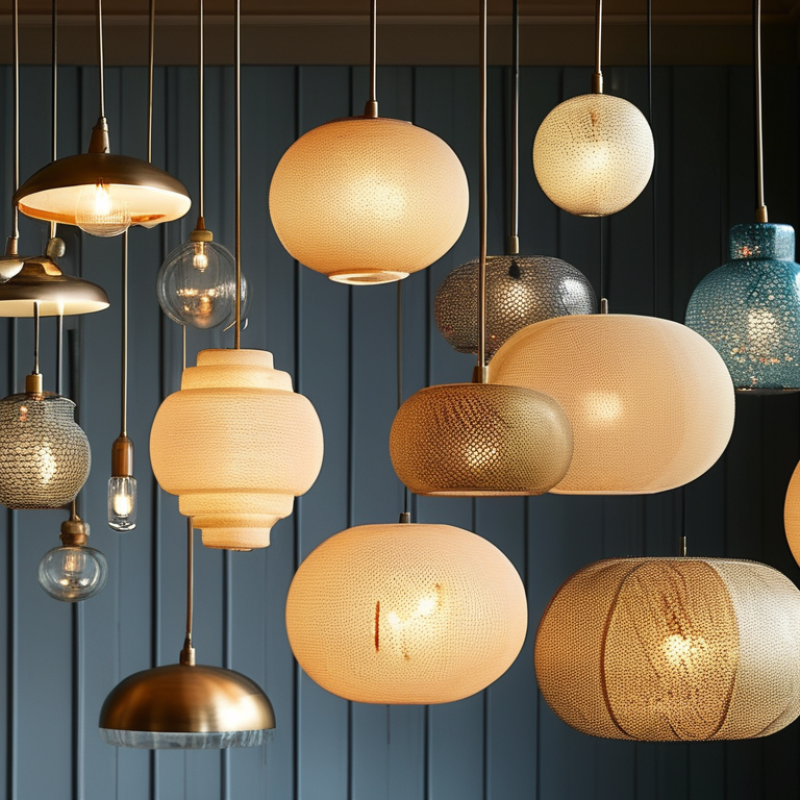
Types of Lighting Fixtures: An Overview of Options for Your Home
Choosing the right lighting fixtures can significantly enhance the ambiance of your home. This article explores various types of lighting fixtures to help you make informed decisions.
Chandeliers are classic and elegant. They can serve as stunning focal points in dining rooms or entryways. A recent study reported that nearly 40% of homeowners are opting for statement chandeliers. They offer extensive light coverage and can complement various décor styles. However, their installation can be complex, which may be a challenge for some.
Flush mounts and recessed lighting are practical options for smaller spaces. They provide ample lighting without taking up space. Designers recommend using dimmers with these fixtures. This allows flexibility in creating moods. According to industry surveys, about 50% of buyers prioritize energy efficiency when venturing into these lighting options. Many forget to consider the scale of fixtures relative to room size, leading to poor visual proportions.
Wall sconces add versatility. They can illuminate hallways or serve as accent lighting. Yet, positioning them correctly can be tricky. Installing wall sconces too high or low can hinder their effectiveness. Homeowners should think critically about placement. Each type of lighting fixture has its own advantages and challenges. Understanding these can lead to a well-lit home.
Understanding the Functionality of Different Lighting Fixtures
When selecting lighting fixtures, understanding their functionality is crucial. Different fixtures serve various purposes and can dramatically change a space's ambiance. For tasks like cooking or reading, bright, focused lighting is needed. Task lighting, such as under-cabinet lights or desk lamps, is ideal in these scenarios. They illuminate the areas where you need to focus. However, choosing something that is too harsh can create shadows and cause strain.
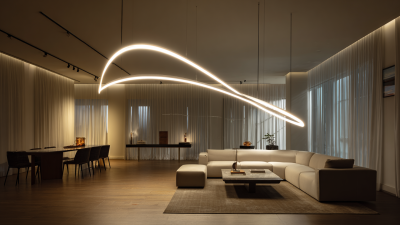
Conversely, for relaxing spaces like living rooms or bedrooms, ambient lighting is essential. Soft, diffuse lighting from fixtures such as floor lamps or chandeliers can create a warm atmosphere. Dimmers can enhance this effect, allowing you to adjust brightness as needed. However, getting the balance right isn't always easy. Overly dim spaces may feel dingy, while too much light can be overwhelming.
Decorative fixtures also add character to your home. Wall sconces and pendant lights can serve as focal points. Still, their placement matters. A poorly positioned light can disrupt your room’s flow. Therefore, it's essential to consider functionality alongside aesthetics. Reflect on your daily activities and how each lighting fixture supports them. This approach leads to a more harmonious living environment, combining beauty and practicality.
Lighting Fixture Types and Their Popularity
Choosing the Right Style: Aesthetic Considerations for Each Room
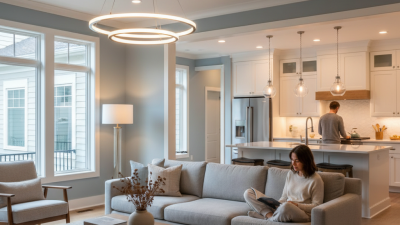
When selecting lighting fixtures for your home, aesthetics play a crucial role. Each room has a unique function and mood that requires careful consideration. For instance, the living room may benefit from warm, inviting fixtures like chandeliers or floor lamps. These not only provide light but also serve as focal points. However, the challenge is to choose pieces that complement the style of your furniture and decor.
In contrast, the kitchen demands functionality alongside style. Bright, clear lighting is essential for cooking and meal preparation. Pendant lights over the island or under-cabinet lighting can create an effective blend of practicality and design. It’s important to strike a balance; the wrong light can make the space feel sterile or unwelcoming.
Bathrooms often require softer lighting for a relaxing atmosphere. Wall sconces or backlit mirrors can add elegance while providing sufficient illumination. Yet, there is often a common mistake—overlooking dimmer switches. Incorporating them allows you to adjust the brightness as needed, creating a versatile environment. Remember, lighting choices should reflect your personal taste while enhancing each room's function.
Energy Efficiency: Comparing LED, Incandescent, and Fluorescent Fixtures
When considering energy-efficient lighting fixtures, it's essential to compare LED, incandescent, and fluorescent options. According to the U.S. Department of Energy, LED lights consume up to 75% less energy than incandescent bulbs and last 25 times longer. This longevity and efficiency can significantly reduce electricity bills and replacement costs.
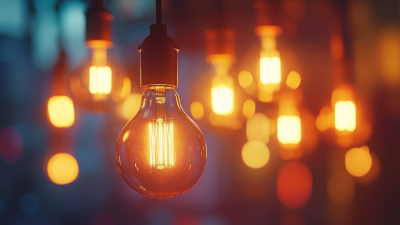
Incandescent bulbs, although commonly used, are less efficient. They convert only about 10% of their energy into visible light. The rest is released as heat. This inefficiency means frequent replacement, leading to higher overall costs. On the other hand, fluorescent lights are better than incandescents but less efficient than LEDs. They can last up to 10,000 hours, offering a middle ground.
Choosing the right type depends on usage and preferences. Fluorescent lights can emit a flickering effect that can be disturbing for sensitive individuals. LEDs, while initially more expensive, often save money in the long run. However, they may have dimming issues with some fixtures. Considering these factors can help pinpoint the right fixture for your home while minimizing costs and maximizing efficiency.
What is the Best Type of Lighting Fixtures for Your Home?
| Fixture Type |
Lifespan (Hours) |
Energy Consumption (Watts) |
Light Output (Lumens) |
Energy Efficiency Rating |
Cost per Year (Estimated) |
| LED |
25,000 |
10 |
800 |
A+ |
$8 |
| Incandescent |
1,000 |
60 |
800 |
D |
$40 |
| Fluorescent |
15,000 |
15 |
900 |
B |
$20 |
Installation and Maintenance Tips for Home Lighting Fixtures
When selecting lighting fixtures for your home, installation is crucial. Follow manufacturer instructions for the best results. Ensure you have the right tools before starting. Familiarize yourself with basic electrical wiring. If you're uncertain about handling wires, it's wise to consult a professional. Safety should always come first.
Maintenance of lighting fixtures is often overlooked. Regularly dust and clean fixtures to keep them bright. Check for any signs of wear or damage, like flickering bulbs. Changing bulbs promptly can save energy and enhance ambiance. Consider using energy-efficient options for long-term savings. Create a routine for inspection to avoid potential issues.
Lighting fixtures can impact your home's atmosphere. Experiment with different placements and styles. It may take a few tries to find the perfect combination. Assess your space during the day and at night. Remember, your choices reflect your personal taste and lifestyle. Don't shy away from making changes if something doesn’t feel right.
 Skip to content