What Is the Best Type of Home Lighting Solution?
Choosing the best Home Lighting Solutions begins with more than brightness. It requires comfort, efficiency, control, and a clear understanding of daily habits.
The International Energy Agency reports that lighting consumes about 15% of global electricity. The U.S. Department of Energy says LED bulbs use at least 75% less energy than incandescent bulbs. They can also last up to 25 times longer. These figures make LEDs a practical starting point, but efficiency alone does not create a welcoming home. A cold, glaring ceiling light can make a kitchen feel clinical, even when it saves energy.
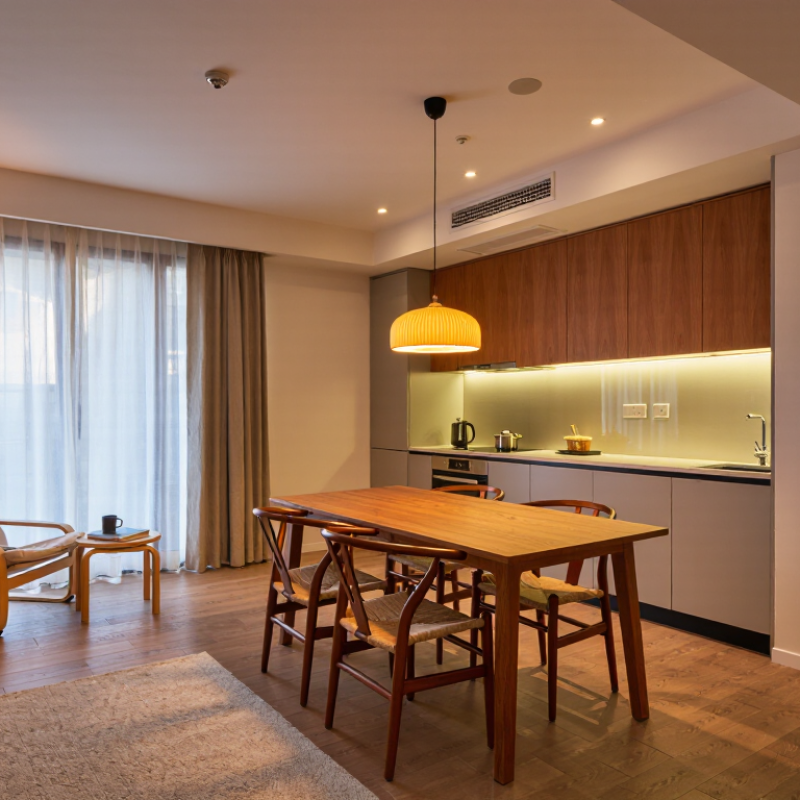
Lighting designer Randall Whitehead describes lighting as “the jewelry of a room.” His observation explains why layered design matters. Combine ambient ceiling light, focused task lighting, and softer accent lamps. Picture a pendant above a wooden dining table, a concealed strip beneath a cabinet, and a warm lamp beside a reading chair. Each source performs a different job.
Smart controls can improve this arrangement. Dimming, occupancy sensors, and daylight adjustment may reduce waste while supporting changing routines. Yet technology is not automatically better. Poorly positioned sensors can leave hallways dark, while excessive automation may feel irritating. This is where professional planning and personal experience must meet.
There is no universal winner. The best solution depends on room size, ceiling height, eyesight, budget, and lifestyle. Even expert recommendations need testing. Install one fixture, observe its shadows, and reconsider the result at night. A beautiful plan can still fail in real use.
Types of Home Lighting Solutions
What Is the Best Type of Home Lighting Solution?
Types of Home Lighting Solutions
Home lighting works best when several lighting types share the same room. Ambient lighting provides general brightness for movement and daily routines. Ceiling fixtures, wall lights, and recessed lights often serve this purpose. I usually test ambient light from the room’s darkest corner. A bright center can still leave shadows near cabinets.
Task lighting supports activities that require visual accuracy. Desk lamps help with reading, writing, and computer work. Under-cabinet lights make food preparation safer and more comfortable. In bathrooms, vertical lights near the mirror reduce harsh facial shadows. Choose warm or neutral white light based on the activity. Very cool light can feel clinical at night.
Accent lighting adds depth and highlights selected details. Picture lights can draw attention to artwork or textured walls. Small directional fixtures may brighten shelves, plants, or architectural features. Decorative lighting also affects mood, but appearance should not replace practical performance. I once installed a beautiful lamp with poor reading coverage. It looked right, yet the room felt inconvenient. Dimmers and separate switches allow better control across the day. Natural light matters too. Sheer curtains can soften sunlight without making the room gloomy. Smart controls offer convenience, although complicated settings may discourage everyday use. Test each layer at night, when flaws become easier to notice.
What Is the Best Type of Home Lighting Solution?
Typical electrical power required to produce approximately 800 lumens, similar to the light output of a traditional 60-watt incandescent bulb.
LED lighting generally provides the same brightness with the lowest electricity use. Actual wattage may vary by product and light output.
How to Assess Your Home Lighting Needs
Assessing your home lighting needs starts with observing how each room is used. A kitchen needs clear, even light for chopping and cleaning. A bedroom usually benefits from softer lighting that supports rest. Walk through your home at different times, especially on cloudy afternoons. Notice where shadows gather and where glare appears on screens or worktops.
Measure the room before choosing fixtures. Ceiling height, window size, wall color, and furniture placement all affect brightness. A dark hallway may need more illumination than a small room with wide windows. Layered lighting often works best: ambient light for general visibility, task lighting for detailed activities, and accent lighting for depth. Choose warmer tones for relaxing areas and more neutral tones for workspaces. Keep switches easy to reach, and consider adjustable controls for changing routines.
I once chose a fitting by appearance alone. It looked attractive, but the reading corner stayed dim. That mistake taught me to test light at eye level before deciding. Check brightness, shadows, and reflections in the actual space. Energy use matters too, but extremely low consumption cannot fix poor placement. I still underestimate how much daylight changes a room. Reassess your lighting after moving furniture or changing wall colors. Your needs may shift with age, work habits, and household routines.
What Is the Best Type of Home Lighting Solution? - How to Assess Your Home Lighting Needs
| Lighting Solution | Best Use | Typical Efficacy | Expected Life | Color Quality | Common Color Temperature | Dimming and Control | Main Advantages | Important Limitations |
|---|---|---|---|---|---|---|---|---|
| LED | General lighting, kitchens, offices, bedrooms, bathrooms, outdoor areas | Approximately 80–150 lumens per watt for many residential products | About 15,000–50,000 hours, depending on product and operating conditions | CRI commonly 80–95; higher CRI improves color appearance | 2,700–3,000 K for warm rooms; 3,500–4,000 K for work areas; 5,000 K or higher for daylight appearance | Usually available, but the lamp, fixture, and dimmer must be compatible | High energy efficiency, long service life, low heat output, many shapes and color options | Performance varies by quality; poor compatibility can cause flicker or limited dimming |
| Compact Fluorescent | General lighting where low energy use is needed and instant brightness is not essential | Approximately 50–70 lumens per watt | About 8,000–10,000 hours | CRI commonly 80–85 | Approximately 2,700–6,500 K | Some lamps support dimming, but compatible controls are required | Uses less electricity than incandescent lighting and produces less heat | May take time to reach full brightness; contains a small amount of mercury and requires responsible recycling |
| Halogen | Accent lighting, display lighting, and applications requiring precise directional light | Approximately 15–25 lumens per watt | About 2,000–4,000 hours | CRI usually close to 100, with strong color accuracy | Approximately 2,700–3,000 K | Generally easy to dim with compatible standard dimmers | Excellent color rendering, instant full brightness, and focused beams | Consumes more energy and produces significantly more heat than LED lighting |
| Incandescent | Decorative fixtures and occasional-use areas where warm light is preferred | Approximately 10–17 lumens per watt | About 750–1,000 hours | CRI usually close to 100 | Approximately 2,700 K | Usually compatible with standard dimmers | Warm appearance, instant brightness, and simple dimming behavior | Very high energy consumption, short life, and substantial heat generation |
Home Lighting Needs Assessment
| Room or Activity | Recommended Light Level | Recommended Color Temperature | Recommended CRI | Preferred Lighting Approach |
|---|---|---|---|---|
| Living Room | Ambient lighting around 100–200 lux, with brighter task zones as needed | 2,700–3,000 K | 80 or higher | Layered lighting using ceiling, wall, floor, and accent fixtures with dimming |
| Kitchen | Approximately 300–500 lux for general and work surfaces | 3,000–4,000 K | 80 or higher; 90 or higher for food preparation and presentation | Efficient LED ceiling lighting combined with under-cabinet task lighting |
| Bedroom | Approximately 100–200 lux for general lighting; lower levels for relaxation | 2,700–3,000 K | 80 or higher | Warm, dimmable ambient lighting with separate bedside task lights |
| Bathroom | Approximately 200–500 lux, with stronger vertical lighting at the mirror | 3,000–4,000 K | 80 or higher; 90 or higher for accurate skin tones | Moisture-rated LED fixtures with glare-controlled mirror lighting |
| Home Office | Approximately 300–500 lux on the desk | 3,500–4,000 K | 80 or higher | Adjustable LED task lighting positioned to reduce screen reflections and shadows |
| Hallway and Stairs | Approximately 100–200 lux, with even illumination and no dark steps | 2,700–3,500 K | 80 or higher | Low-glare LED fixtures, occupancy sensors, or timed controls |
Note: Actual lighting requirements depend on room size, surface colors, fixture distribution, user age, visual tasks, and local electrical standards. Lux values are practical residential planning ranges rather than mandatory limits.
Comparing Ambient, Task, and Accent Lighting
Choosing the best home lighting solution depends on how each room is used. Ambient lighting provides the general glow that makes movement comfortable and safe. Ceiling fixtures, wall lights, and evenly spaced lamps can soften dark corners. In a living room, warm light around 2700–3000K often feels calmer than a bright white tone.
Task lighting supports activities that demand clear vision. A desk lamp should illuminate paperwork without reflecting on a screen. In the kitchen, under-cabinet lighting can reduce shadows on a cutting board. Keep the beam close to the work surface.
My first setup was too bright and tiring, especially during evening reading.
Accent lighting adds visual focus. It can highlight artwork, textured walls, bookshelves, or a plant with interesting leaves. Narrow beams create stronger contrast, while wider beams look gentler. I prefer dimmable fixtures because a dramatic effect can become uncomfortable after dark. Glare is easy to underestimate. Test the light while sitting, standing, and walking through the room. A light that looks attractive in a showroom may shine directly into your eyes at home. Good planning also considers color rendering, fixture placement, maintenance access, and the changing daylight near windows. There is no perfect formula. Even careful measurements may need adjustment after living with the space for a week.
Choosing the Best Light Sources and Fixtures
What Is the Best Type of Home Lighting Solution?
Choosing the Best Light Sources and Fixtures
The best home lighting starts with the task, not the fixture’s appearance. A kitchen needs clear, shadow-free light for chopping and reading labels. A bedroom usually benefits from softer illumination and warmer color temperatures. I often begin with layered lighting: ambient light for general visibility, task light for focused work, and accent light for depth. This approach feels more natural than relying on one bright ceiling fixture.
LED sources are usually practical because they use less energy and produce many lumen levels. Check the color temperature before buying. Warm white light, around 2700K to 3000K, can make living areas feel calm. Neutral white light may suit kitchens, offices, and bathrooms. A high color rendering index also helps food, clothing, and skin tones appear more accurate. However, specifications do not tell the whole story. Glare, wall color, and ceiling height can change the result.
I once installed a powerful downlight above a reading chair. The room looked bright, but the chair stayed uncomfortable because of harsh shadows. That choice was wrong. Adjustable floor lamps, wall sconces, and shaded pendants can place light where people actually use it. Choose fixtures rated for damp locations in bathrooms or covered outdoor areas. Also confirm dimmer compatibility and safe installation requirements. A beautiful fitting is not useful if its light flickers, shines into your eyes, or leaves important corners dark.
Planning an Energy-Efficient Home Lighting System
What Is the Best Type of Home Lighting Solution?
Planning an Energy-Efficient Home Lighting System
An energy-efficient lighting system begins with a room-by-room assessment. Observe daylight before choosing fixtures or bulb brightness. South-facing rooms may need less electric light during the afternoon. Dark hallways need reliable, low-wattage illumination instead. The U.S. Department of Energy reports that LED lighting uses at least 75% less energy than incandescent lighting. It can also last up to 25 times longer. The International Energy Agency estimates that lighting consumes about 15% of global electricity. Small design choices can therefore produce measurable savings.
Use task lighting near kitchen counters, desks, and bathroom mirrors. It prevents excessive brightness across the entire room. Select warm light for bedrooms and living areas. Choose clearer, cooler light for detailed work. Dimmers and occupancy sensors can reduce unnecessary operating hours. However, sensors are not perfect. Poor placement may cause lights to switch off while someone is still reading. I have found that simple controls often work better than complicated systems. A practical plan should allow easy manual adjustment.
Tips: Measure actual use for one week. Replace the most frequently used lamps first. Keep fixtures clean, because dust reduces useful brightness. Compare lumens, not watts, when selecting replacements. Check color temperature before installation. A 2700K light often feels comfortable at night. Test one room before changing the whole home. That prevents expensive mistakes. Track monthly electricity use after each upgrade, and question results that seem too good.
Related Posts
-
Unlocking the Advantages of Innovative Led Lighting Solutions
-
Discover the Excellence of Best Flex Light from Leading Chinese Manufacturers
-
Lighting Incorporated: Your Trusted Partner for Consistent Quality in Global Manufacturing
-
China's Leading Export Powerhouse in Best Lumens Lighting Solutions
-
Illuminate Your Space with the Latest Innovations in Led Spotlights
-
Ultimate Guide to Choosing the Best LED Neon Signs for Your Business
Skip to content