China Top 10 L Glutamine Manufacturers for Global Buyers?
L-Glutamine has become an important ingredient for nutrition, pharmaceutical, food, and sports-recovery applications. Buyers now evaluate more than price. They examine purity, production consistency, documentation, and supply reliability. Grand View Research’s Amino Acids Market Size, Share & Trends Analysis Report identifies rising demand for amino acids in dietary supplements, clinical nutrition, and animal feed. This broader trend supports closer attention to specialized L-Glutamine producers in China.
The China Top 10 L-Glutamine Manufacturers for Global Buyers guide focuses on practical purchasing evidence. It considers manufacturing experience, facility standards, product grades, export capability, and quality-control systems. Useful records include certificates of analysis, batch traceability, microbiological results, heavy-metal testing, and stability data. The USP–NF monograph for L-Glutamine also provides a professional reference for identity, purity, and testing expectations. Buyers should compare these documents carefully, not accept impressive website claims without verification.
No ranking is perfect. Public information can change.
Therefore, this selection should be treated as a structured starting point rather than a final endorsement. Reports from MarketsandMarkets and Fortune Business Insights show continuing expansion across nutrition and pharmaceutical ingredient markets, but market growth does not automatically prove supplier quality. A dependable manufacturer should answer technical questions clearly, provide representative samples, support third-party audits, and explain lead times in real terms. Small details matter, such as sealed inner bags, readable lot numbers, and consistent powder appearance. The following overview highlights ten Chinese manufacturers that may deserve closer evaluation by international buyers. Independent due diligence remains essential.
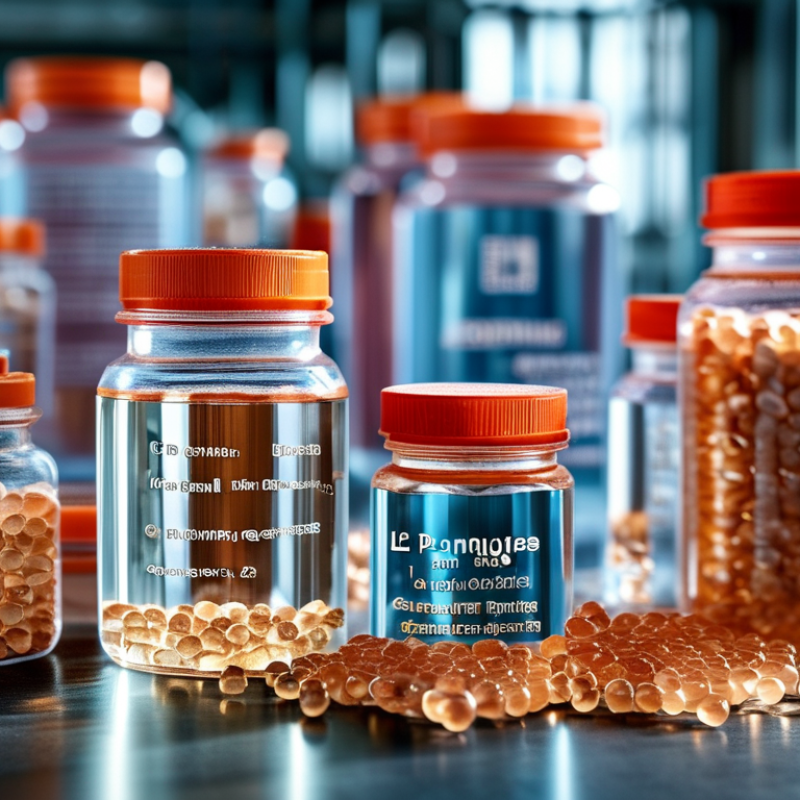
China’s Top 10 L-Glutamine Manufacturers: 99%+ Purity and GMP Data
China’s Top 10 L-Glutamine Manufacturers: 99%+ Purity and GMP Data
Global buyers should treat a “top ten” list as a verification project, not a popularity contest. Grand View Research’s 2024 amino acids analysis valued the global market at about USD 29.3 billion in 2023 and projected 7.1% annual growth through 2030. That growth increases pressure on Chinese suppliers to show evidence, not polished claims. For L-glutamine, a practical shortlist starts with assay results above 99%. It should also review identity, water content, heavy metals, microbial limits, and residual solvents. Short sentences matter. So does traceability.
Each candidate should provide a recent certificate of analysis, specification sheet, batch number, and independent laboratory results. GMP evidence should include a current manufacturing-site certificate, audit history, deviation control, and change-management records. WHO GMP guidance emphasizes documented quality systems, validated processes, and controlled production areas. Pharmacopoeial alignment with USP-NF or Ph. Eur. methods adds useful confidence, but it is not automatic approval for every application. Buyers should check whether testing covers the exact batch. A familiar mistake is accepting one impressive report for an entire product line. That is weak evidence. Packaging also deserves attention: sealed inner liners, moisture protection, lot coding, and transport records can affect the powder before arrival. I would still leave room for doubt. A 99.9% assay cannot prove consistent supply, and a GMP certificate cannot replace an on-site or remote audit. The strongest top-ten comparison combines purity data, manufacturing experience, regulatory documentation, and transparent responses to difficult questions.
L-Glutamine Quality Standards: USP-NF, FCC, GMP, and ISO 22000
China’s leading L-glutamine manufacturers should be judged by documented quality, not production scale alone. Global buyers often begin with USP-NF or FCC compliance. These standards help confirm identity, purity, moisture, and impurity limits. However, a specification sheet is only a starting point.
USP-NF is useful when pharmaceutical-grade control matters. FCC is widely referenced for food and ingredient quality. GMP shows whether production follows controlled procedures, trained personnel, and clean manufacturing practices. ISO 22000 adds a structured food safety system, including hazard analysis and traceability. Ask for current certificates, not scanned files with unclear dates. Check the certification scope carefully. It must cover the actual L-glutamine facility and product.
Reliable suppliers should provide batch-specific certificates of analysis, testing methods, microbiological results, and heavy metal data. Independent laboratory verification can expose differences between advertised purity and delivered material. During audits, inspect sealed packaging, lot codes, warehouse humidity records, and recall procedures. Small details matter.
A certificate can still hide gaps.
In my experience, buyers sometimes overvalue logos and undervalue records. That is a weakness worth correcting. Manufacturing consistency should be reviewed across several batches, not one attractive sample. Clear answers, traceable documents, and realistic lead times usually indicate stronger quality control than polished marketing language.
Manufacturer Profiles: Plant Scale, COA Testing, and Annual Supply Data
For global buyers, a useful top-ten L-glutamine manufacturer list should show more than production claims. Each profile should identify plant scale, production lines, warehouse conditions, and export handling. A large facility may offer better continuity, but size alone proves little. Batch records matter.
COA testing reveals operational discipline. Check assay, identification, moisture, heavy metals, microbial limits, and allergen statements. Ask whether testing occurs in-house or through an accredited laboratory. Review sample COAs from different lots, not one perfect document. Annual supply data should separate installed capacity from available export volume. Request twelve-month output, average lead time, minimum order quantity, and recent shipment consistency. Figures can change with maintenance or seasonal demand.
Tips: Ask for a redacted batch record and a current COA before negotiating volume. Compare test methods, specification limits, and document dates carefully. A supplier promising unlimited supply deserves further questions. I have found that clear answers are often more valuable than impressive numbers. Still, no profile is complete without checking storage conditions, packaging integrity, and response times during a quality complaint. Mistakes happen. Transparent correction is a stronger reliability signal than polished marketing.
China L-Glutamine Manufacturer Benchmark for Global Buyers
Anonymized comparison of publicly disclosed production scale, annual supply capability, and routine COA testing coverage.
Annual supply is shown in metric tons. Plant scale represents estimated annual L-glutamine production capacity, while COA testing indicates the number of routine quality parameters commonly reported for export batches. Figures are presented as anonymized market benchmarks because supplier disclosures and testing panels may vary by grade, site, and contract.
Global Buyer Comparison: Price, Lead Time, Incoterms, and Compliance Risks
When comparing China’s top ten L-glutamine manufacturers, global buyers should examine more than the quoted price. A low price may exclude testing, packaging, or export documentation. Request a current specification, certificate of analysis, batch size, and packaging photos. Confirm whether the product is food-grade, pharmaceutical-grade, or intended for another regulated application.
Lead time should include production, testing, and port handling. Ask for a realistic schedule, not only the fastest estimate. Incoterms also change the final cost. Under FOB, the buyer usually manages ocean freight and insurance. Under CIF, these services are included, but destination charges may remain. Check payment terms, minimum order quantity, and replacement procedures for damaged cargo.
Tips: Compare landed cost per kilogram, not factory price alone. Verify heavy-metal limits, microbiological results, allergen statements, traceability, and facility certifications. Review whether documents match the shipping entity and production site. A remote audit can reveal useful details, although it cannot replace independent testing. I would also keep a backup supplier. That may seem cautious. Delays, inconsistent batches, or unclear customs documents can disrupt a launch, even when the initial sample looks acceptable. Allow time for buyer-side review and destination-country compliance checks.
 Skip to content