How to Choose the Best Dad Fishing Hat?
Choosing the best Dad Fishing Hat begins with real conditions, not a clever label. A father fishing from a sunlit pier needs different protection from someone walking through shaded riverbanks. Brim width, crown height, ventilation, sweat control, and water resistance all affect comfort. A hat that looks excellent in a product photo may feel heavy after four humid hours.
The 2024 Special Report on Fishing from the Sports & Fitness Industry Association recorded 57.8 million U.S. fishing participants. The U.S. Fish and Wildlife Service also reported nearly 40 million fishing participants in its 2022 National Survey. Those figures show a large, varied market, not one typical angler. They also explain why choosing a Dad Fishing Hat requires practical judgment. A broad brim can reduce glare, yet it may catch wind on an exposed boat. Mesh improves airflow, but it offers less coverage. I have sometimes valued style too highly. That was a mistake on hot, bright water.
Fishing writer John Gierach wrote, “The solution to any problem—work, love, money, whatever—is to go fishing.” His observation supports a simple gear principle: comfort keeps the experience enjoyable. Look for an adjustable fit, a secure chin cord, quick-drying fabric, and a brim that stays stable. Check the UPF rating when available, and inspect stitching around the crown and band. The best Dad Fishing Hat is not always the most expensive one. It is the hat he forgets he is wearing. That standard is difficult, but useful.
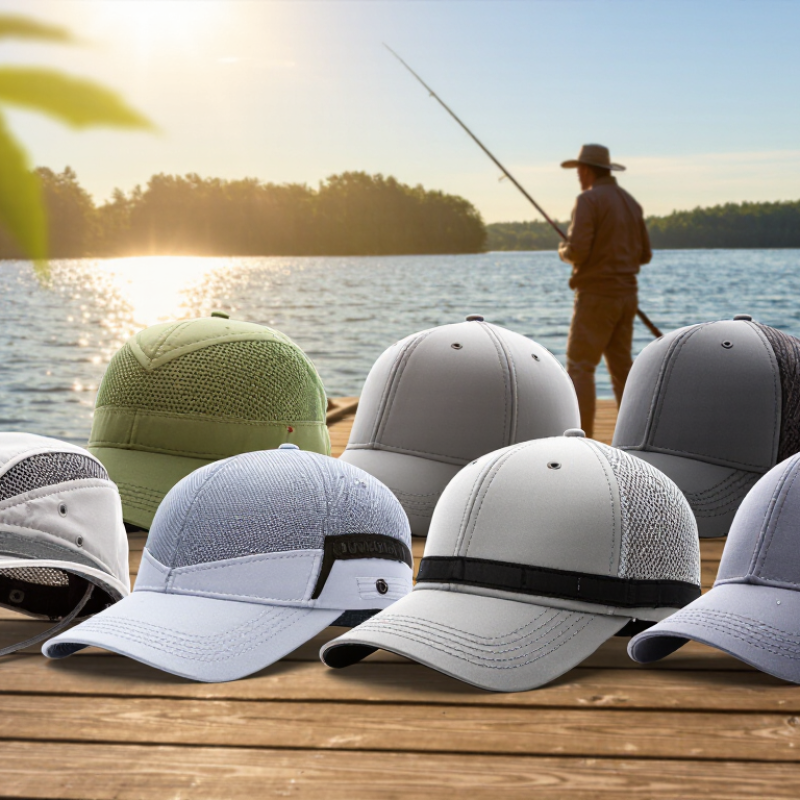
Define the Key Features of a High-Quality Dad Fishing Hat
How to Choose the Best Dad Fishing Hat?
A high-quality dad fishing hat should protect, breathe, and stay comfortable for hours. The Outdoor Industry Association’s 2024 report recorded 175.8 million U.S. outdoor participants in 2023. That figure reflects more time under intense sunlight. A useful hat needs a brim around 2.5 to 3 inches wide. It should shade the ears, neck, and face without blocking peripheral vision. Lab-tested UPF 50+ fabric is also valuable. UPF 50 allows only about 2% of ultraviolet radiation through, according to standard textile testing guidance.
Fit matters more than appearance. Measure the head, then choose an adjustable band that remains secure during sudden movement. A soft sweatband should pull moisture away from the forehead. Mesh panels can improve airflow, but oversized openings may reduce sun coverage.
The Skin Cancer Foundation recommends wide-brimmed hats for better protection than ordinary baseball caps. Still, a wide brim can catch wind on an exposed pier. A chin cord helps. It should adjust smoothly and release without pulling painfully.
Material quality becomes obvious after several fishing trips. Look for quick-drying fabric, reinforced stitching, and corrosion-resistant hardware. A slightly firm brim holds its shape near water, while a crushable design packs more easily. Neither is perfect. I once preferred maximum ventilation, but a loose mesh crown felt cold during early-morning fishing. Check whether the hat stays comfortable after sweat, salt spray, and repeated washing. The best choice balances coverage, stability, ventilation, and real wearing experience.
Choose the Right Hat Material for Weather and Water Conditions
The best dad fishing hat starts with material, not appearance. Match the fabric to the forecast, spray, and time on the water. Lightweight nylon or polyester dries quickly after rain or splash. Tight weaves also block wind better than loose cotton. Cotton feels comfortable on a cool dock, but it absorbs water and becomes heavy. That matters during long casts.
Check the sun before choosing the crown and brim. The World Health Organization’s Global Solar UV Index recommends sun protection when the index reaches 3 or higher. At 6 to 7, protection becomes especially important. A dense fabric with a tested UPF rating offers more reliable coverage than a thin, pale cloth. A brim of about 7.5 centimeters can shade the face, ears, and neck more effectively than a short curved bill. Dark under-brim fabric may also reduce reflected glare.
Water conditions change the practical choice. For humid flats or frequent spray, select quick-drying fabric, corrosion-resistant eyelets, and an adjustable chin cord. For cold, windy mornings, a lined wool-blend or heavier synthetic hat can retain warmth, but it may dry slowly. I once wore cotton on a breezy boat trip. It stayed damp for hours. That was poor planning. Still, UPF labels can be confusing, and not every test reflects real-world stretching or fading. Check the test standard, inspect the stitching, and replace the hat when the fabric thins.
Select a Comfortable Fit and Practical Adjustability
How to Choose the Best Dad Fishing Hat?
A fishing hat should feel secure before the first cast. Measure your head above the ears, then compare that measurement with the hat’s size guide. Do not guess. A loose crown can shift when wind rises, while a tight band may cause pressure after several hours.
Look for a soft sweatband, breathable panels, and an adjustable rear strap. A buckle gives precise control, while a hook-and-loop closure works quickly with wet fingers. I prefer an adjuster that stays flat against the neck. Bulky hardware can rub under a jacket collar.
The 2024 Special Report on Fishing, published by the Outdoor Foundation and the Recreational Boating and Fishing Foundation, recorded 57.8 million U.S. fishing participants in 2023. More anglers mean more hours exposed to heat, glare, and changing weather.
The Skin Cancer Foundation recommends a brim at least three inches wide for meaningful facial shade. Check that the brim does not block your side vision. That balance matters near docks and moving water.
Test the hat while turning your head, bending down, and lifting a rod. If it slips during these movements, adjustability is not enough.
I once chose a lightweight hat with excellent airflow, but its weak strap made it frustrating on windy afternoons. That mistake changed my fitting routine.
Sweat, salt, and sunscreen also reduce comfort, so rinse the hat with fresh water after use and let it dry naturally.
Match Hat Styles and Colors to Your Fishing Needs
How to Choose the Best Dad Fishing Hat?
A dad fishing hat should match the water, weather, and fishing style. For open-water trips, choose a wide-brim hat with a firm crown. It shades your ears, neck, and face during long hours under direct sunlight. The World Health Organization recommends broad-brimmed hats for reducing ultraviolet exposure. The NOAA UV Index also advises extra protection when levels reach 3 or higher. A lightweight, quick-drying fabric works well around spray and humidity. Avoid overly loose fits. Wind changes quickly.
Color matters more than many anglers expect. Light tan, gray, or muted green can reduce glare and blend with natural surroundings. A darker underside may limit reflected light near bright water, although this is not a perfect rule. For family fishing trips, orange, yellow, or red can improve visibility on docks and crowded shorelines. The 2024 Fishing Participation Report from the Sports & Fitness Industry Association recorded 57.7 million U.S. fishing participants in 2023. More anglers mean visibility deserves practical attention, especially around busy launch areas.
Tips:
Match a ventilated cap to shaded freshwater banks. Choose a full brim for exposed saltwater. Check the sweatband before buying; comfort affects how long Dad actually wears it. I once chose style over airflow and regretted it by noon. Test the hat with sunglasses, a neck gaiter, and a light rain shell. Small details matter. A secure chin cord helps on windy boats, but it should release easily if snagged.
Compare Protection, Durability, and Value Before Buying
How to Choose the Best Dad Fishing Hat?
Protection should lead your buying decision, not the logo or lowest price. The WHO Global Solar UV Index guide recommends protection when the UV Index reaches 3 or higher. A broad brim can shade your face, ears, and neck during long hours beside open water. Check the brim. A short, floppy brim may look comfortable, but it can leave your ears exposed. Choose tightly woven fabric, a secure chin cord, and a sweatband that stays comfortable when wet. UPF claims should come from recognized testing, such as AATCC TM183 or ASTM D6544. These tests evaluate fabric performance, not every finished hat.
Durability affects value more than a small discount. Examine stitching around the brim, crown, and adjustment strap. Reinforced seams matter when wind pulls against the hat on a moving boat. Quick-drying fabric helps, but saltwater and sunscreen can still weaken materials over time.
The Outdoor Industry Association’s 2024 participation report recorded 175.8 million outdoor participants in the United States during 2023. That level of use makes repeated wear a realistic test of construction.
I once focused too heavily on ventilation and ignored brim stability. That mistake became obvious after one windy afternoon.
For value, compare protection, expected lifespan, and cleaning needs together. A washable hat may cost more initially but remain useful across many seasons. Avoid assuming a higher price guarantees better performance. Look for clear fiber content, care instructions, and test information. A comfortable fit still matters, because unused protection provides no practical benefit.
Skip to content