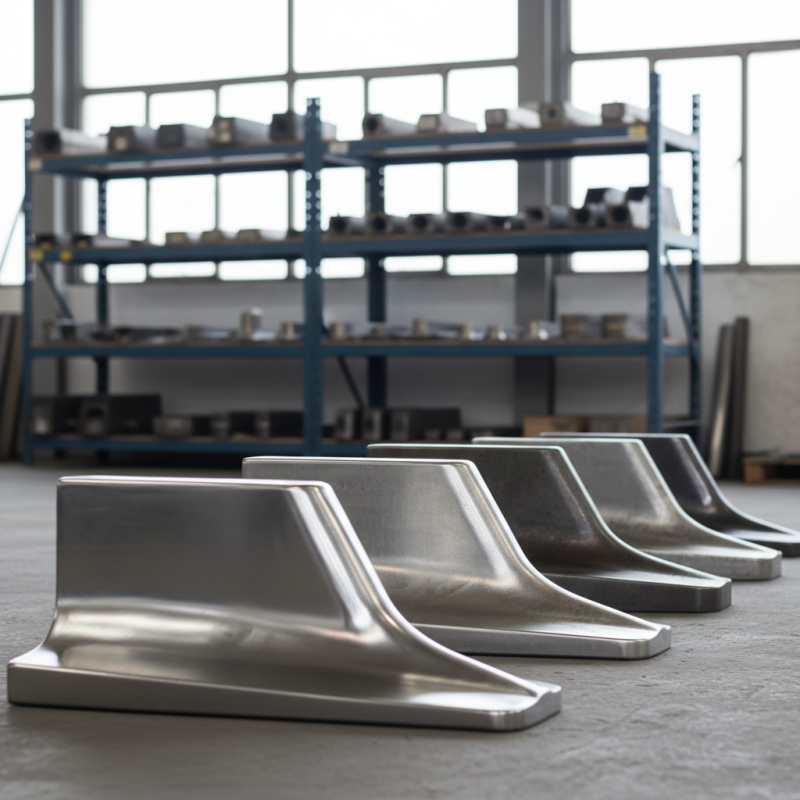
How to Choose the Right Stainless Steel Keel for Your Project?
When embarking on a project that involves a stainless steel keel, the choices can feel overwhelming. The quality of your keel is crucial for durability and performance. Different projects require different specifications; therefore, selecting the right type is essential.
stainless steel keels offer strength and resistance to corrosion. However, this material also comes with varying grades and finishes. Each grade serves a specific purpose, influencing your vessel's overall performance. Understanding these variations helps to refine your decision.
It's easy to overlook details when making this choice. Perhaps an attractive price leads you away from durability considerations. Or maybe, the specifications seem clear but don't suit your specific project. Reflecting on these factors can guide you to choose wisely. It's vital to balance cost and quality for the best results in your project endeavors.
Identifying the Specific Requirements of Your Project
When selecting a stainless steel keel for your project, understanding specific requirements is essential. Different projects demand varying attributes. For instance, consider the environment where the keel will be used. Will it face saltwater exposure? Choose a grade with higher corrosion resistance. Think about the load it must bear. A heavier project may require thicker materials.
Another crucial factor is the keel's dimensions. Measure your space accurately. A well-fitting keel ensures better performance. Look at installation methods as well. Some designs require welding, while others may use bolts. Reflect on your skill level. If you’re not confident with welding, opt for a simpler option.
Finally, don’t forget about aesthetics. The finish of the stainless steel can impact the overall look. A polished finish looks sleek, while a matte finish offers a more rugged appearance. Weigh these aspects carefully. Selecting the right keel can be rewarding but also challenging. It's important to consider your decisions and their implications. Such choices shape the project's success.
Understanding the Different Types of Stainless Steel Keels
When selecting a stainless steel keel, understanding different types is crucial. There are several grades of stainless steel, each with unique properties. For instance, 304 stainless steel is versatile, offering good corrosion resistance. However, it may not be suitable for highly corrosive environments. In contrast, 316 stainless steel contains molybdenum, enhancing resistance to saltwater and other corrosive materials. This makes 316 a popular choice in marine applications where durability is a priority.
Another factor to consider is the keel shape and design. Keels can have various profiles, affecting hydrodynamics and stability. Flat keels are simpler to construct but may lack the performance characteristics required for certain vessels. Meanwhile, bulbous or fin keels can improve a boat's sailing efficiency. According to industry reports, the right shape can increase speed by up to 15% depending on the hull design.
Material thickness also plays a significant role. Thicker keels offer strength but can add weight, impacting overall performance. Many builders find a balance between strength and weight is challenging. A report from the Marine Engineering Journal mentions that a 3% increase in weight can affect stability and speed metrics significantly. Thus, careful consideration of these factors is vital to ensure optimal performance and safety in the water.
Evaluating Material Properties and Grades of Stainless Steel
When selecting a stainless steel keel for your project, understanding material properties is crucial. Stainless steel comes in various grades, each with unique characteristics. For instance, 304 stainless steel offers good corrosion resistance and formability. It is often used in marine applications. However, it may not be suitable for environments with higher temperatures.
Another common grade is 316 stainless steel, which has enhanced corrosion resistance. This makes it ideal for harsh marine environments. However, it is also more expensive. The choice between these grades often involves a trade-off between cost and performance.
Consider the environment where the keel will be used. Is it exposed to saltwater? High humidity? These factors will affect the longevity of your project. Be mindful that choosing the wrong material can lead to premature failure. Sometimes, projects evolve, and what seemed right initially may require revision later. Testing different grades can yield surprising results and inform your decision-making process.
Comparative Analysis of Stainless Steel Grades for Keel Projects
Considering Cost and Availability Factors
Choosing the right stainless steel keel for your project involves careful consideration of cost and availability. Often, the best options may not be the most expensive. Prices can vary widely between suppliers. You might find a high-quality option at a reasonable price if you explore various sources. It’s crucial to research and compare.
Availability is another key factor. Some grades of stainless steel are easier to source than others. Local suppliers might have specific grades in stock, while others may require longer lead times. Delays can impact project timelines significantly. Always plan ahead and check for stock levels. It’s worth pondering if your project can accommodate different grades to ensure smoother procurement.
Finally, consider the specific needs of your project. Do you need durability? What about corrosion resistance? These questions will guide your choice. Sometimes, an affordable option might meet your requirements perfectly. A little flexibility can lead to unexpected benefits. Embrace the challenge of finding the right balance between cost and quality. Each decision shapes your outcome.
Assessing Design and Installation Compatibility
When considering a stainless steel keel for your project, compatibility with the design is crucial. Each project has unique structural needs. Assess the weight distribution. Is the keel strong enough? Check the thickness and type of stainless steel used. A thinner keel might save weight but may compromise durability.
Installation is another vital aspect. Ensure the keel fits seamlessly into your design. Does it align with the ship's hull? If not, adjustments may be necessary. You might find gaps or misalignments that can weaken the structure. Small errors now can lead to bigger problems later.
Consider the environment where the keel will be used. Will it face saltwater exposure? If so, corrosion resistance is vital. Mistakes in material choice can lead to costly repairs.
Understanding these factors can guide you in making an informed decision. Sometimes, it may feel overwhelming, but taking time to reflect on compatibility will enhance your project's longevity.
 Skip to content