How to Choose the Best Pillow Cover for Your Needs?
Choosing the right Pillow Cover can significantly impact your sleep experience. A suitable pillow cover provides comfort and affects the overall aesthetic of your bedroom. With many options available, selecting the best one may feel overwhelming.
Consider the material of the pillow cover. Cotton is breathable and easy to clean, while silk offers luxurious softness. Each type has advantages and disadvantages. For example, silk may slip off easily, requiring more care in positioning. Think about your skin type, as some materials can cause irritation for sensitive skin.
Pillow cover size matters too. A poorly fitted cover can disrupt sleep quality. Measure your pillows accurately and ensure a snug fit. Remember that the design reflects your personality. Selecting patterns and colors can enhance your space. Reflecting on your lifestyle helps in making the right choice. Ultimately, your pillow cover should provide comfort, aesthetic appeal, and align with your personal needs.
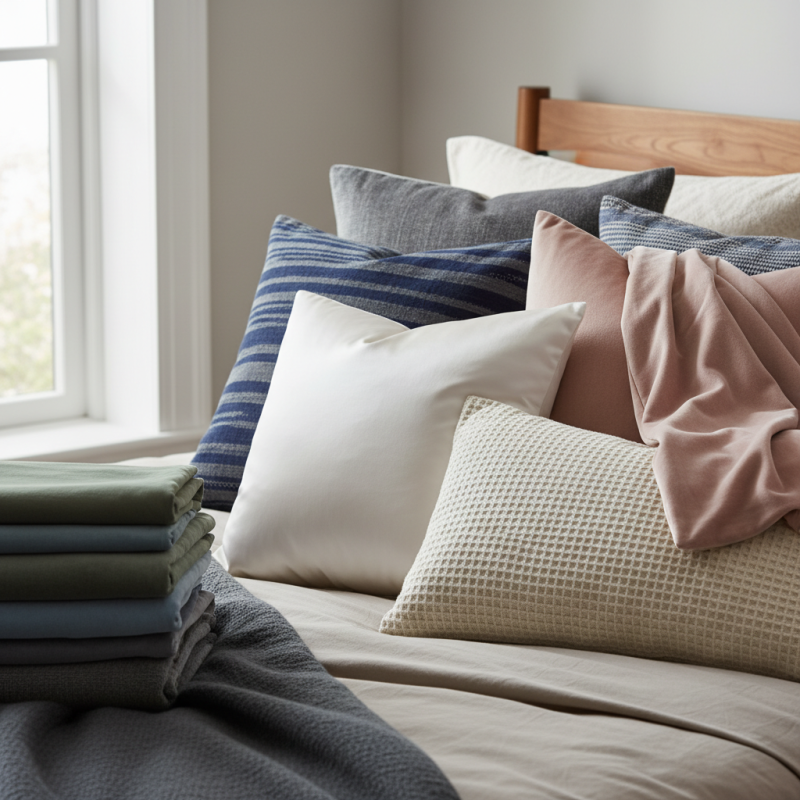
Choosing the Right Material: Cotton, Linen, or Synthetic Options?
When choosing a pillow cover, material matters. Cotton is a popular choice due to its softness and breathability. It allows for air circulation, keeping you cool. Many people love its hypoallergenic properties. However, it can wrinkle easily. Think about how much laundry you want to do.
Linen is a great alternative. It’s durable and has a unique texture. Linen naturally repels dust mites, making it suitable for those with allergies. Yet, it can be rough at first. Some find initial discomfort, which improves over time.
Synthetic materials offer another pathway. They are often less expensive and come in various colors. They resist stains and are easy to clean. However, they may trap heat and cause sweating. Consider your climate and sleep habits when selecting. Each option has its quirks, so weigh them carefully.
Choosing the Right Pillow Cover Material
Understanding Thread Count: Impact on Comfort and Durability
When selecting a pillow cover, understanding thread count is crucial. Thread count refers to the number of threads woven into one square inch of fabric. Generally, a higher thread count signifies a softer and more durable material. According to industry reports, ideal thread counts for pillow covers range from 200 to 800. However, numbers can be misleading. A cover with a very high thread count may not feel comfortable if the quality of the threads is poor.
It's important to consider fabric types as well. A 300-thread-count cotton cover might be more durable and comfortable than a 600-thread-count polyester one. Natural fibers tend to breathe better, enhancing comfort. Studies show that cotton fibers can wick moisture away, keeping you dry through the night. Some reports suggest that a thread count below 200 may feel rough and less inviting.
Potential downsides exist with all choices. Consumers often overlook maintenance. High-thread-count covers may require special washing and care. Ignoring these needs can lead to diminished quality over time. Ultimately, balancing thread count and fabric quality is key to finding the perfect pillow cover for your comfort and sleep quality.
Considerations for Allergies: Hypoallergenic Cover Materials Explained
When selecting a pillow cover, allergic reactions are a major consideration. Many individuals suffer from allergies that can be triggered by dust mites, pollen, or pet dander. According to the American College of Allergy, Asthma, and Immunology, approximately 20 million adults in the U.S. have a dust mite allergy. This highlights the critical need for hypoallergenic materials in bedding.
Hypoallergenic pillow covers are designed to reduce common allergens. Fabrics like cotton, microfiber, and certain synthetics naturally repel dust mites and other irritants. Studies show that covering pillows with these materials can reduce allergen exposure by up to 90%. Choosing tightly woven fabrics is essential. The tighter the weave, the fewer particles can penetrate the fabric.
While hypoallergenic covers offer great benefits, they also require proper care. Regular washing in hot water is necessary to maintain their effectiveness. Some users find that excessive washing can wear down the fabric over time, leading to a trade-off between cleanliness and durability. It’s important to reflect on this balance when selecting a cover that best fits your lifestyle and needs.
Assessing Climate Compatibility: Warmth Retention vs. Breathability
When selecting a pillow cover, consider its climate compatibility. The right cover can greatly influence your sleep quality. Warmth retention and breathability often conflict. Understanding your environment helps in choosing wisely.
Research shows that breathable materials, like cotton and linen, facilitate air circulation. These fabrics help regulate temperature. This is crucial for warmer climates. The ideal pillow cover can reduce night sweats significantly. A study indicates that breathable covers can lower sleep disruptions by up to 30%.
Tip: Choose a pillow cover designed for your specific climate. For a colder environment, fabrics with higher warmth retention, such as flannel or microfiber, are beneficial. However, too much warmth can lead to discomfort. Balancing these factors is key for optimal sleep.
Consider using covers with moisture-wicking properties. These can enhance breathability while keeping you dry. Sometimes, you may find that a multi-functional cover serves both breathability and warmth. Experiment with different options to find what suits you best.
Design and Aesthetic Factors: Matching Pillow Covers to Your Bedroom Decor
Choosing the right pillow cover can enhance your bedroom's aesthetic. Color, texture, and pattern play significant roles. Research shows that 80% of consumers consider design crucial in their purchasing decisions. A well-chosen pillow cover can transform a dull space into a vibrant one.
Consider your existing decor. A minimalist room might benefit from subtle, neutral covers. In contrast, a bohemian style can handle bold colors and eclectic patterns. Remember that pillows contribute to the room's texture, too. Velvet covers provide elegance, while linen creates a relaxed feel. Don’t shy away from mixing textures for visual interest.
Tips: Decide on a color palette first. Use three to five colors that complement your decor. Experiment with patterns: stripes can add structure, while florals bring softness. Monitor how often your pillow covers need washing. Materials like cotton wash easily, while delicate fabrics may require special care. Don't rush. It’s worth investing time to find the perfect match.
How to Choose the Best Pillow Cover for Your Needs? - Design and Aesthetic Factors
| Pillow Cover Material | Design Style | Color Palette | Seasonal Suitability | Care Instructions |
| Cotton | Casual | White, Soft Pastels | All Seasons | Machine Washable |
| Linen | Bohemian | Earth Tones | Summer | Hand Wash Only |
| Velvet | Elegant | Deep Blues, Rich Golds | Winter | Spot Clean Only |
| Microfiber | Modern | Bright Colors | All Seasons | Machine Washable |
| Silk | Luxury | Soft Neutrals | All Seasons | Dry Clean Only |
 Skip to content