Transform Your Space: The Ultimate Guide to Energy-Efficient Lighting Design with 2023 Trends
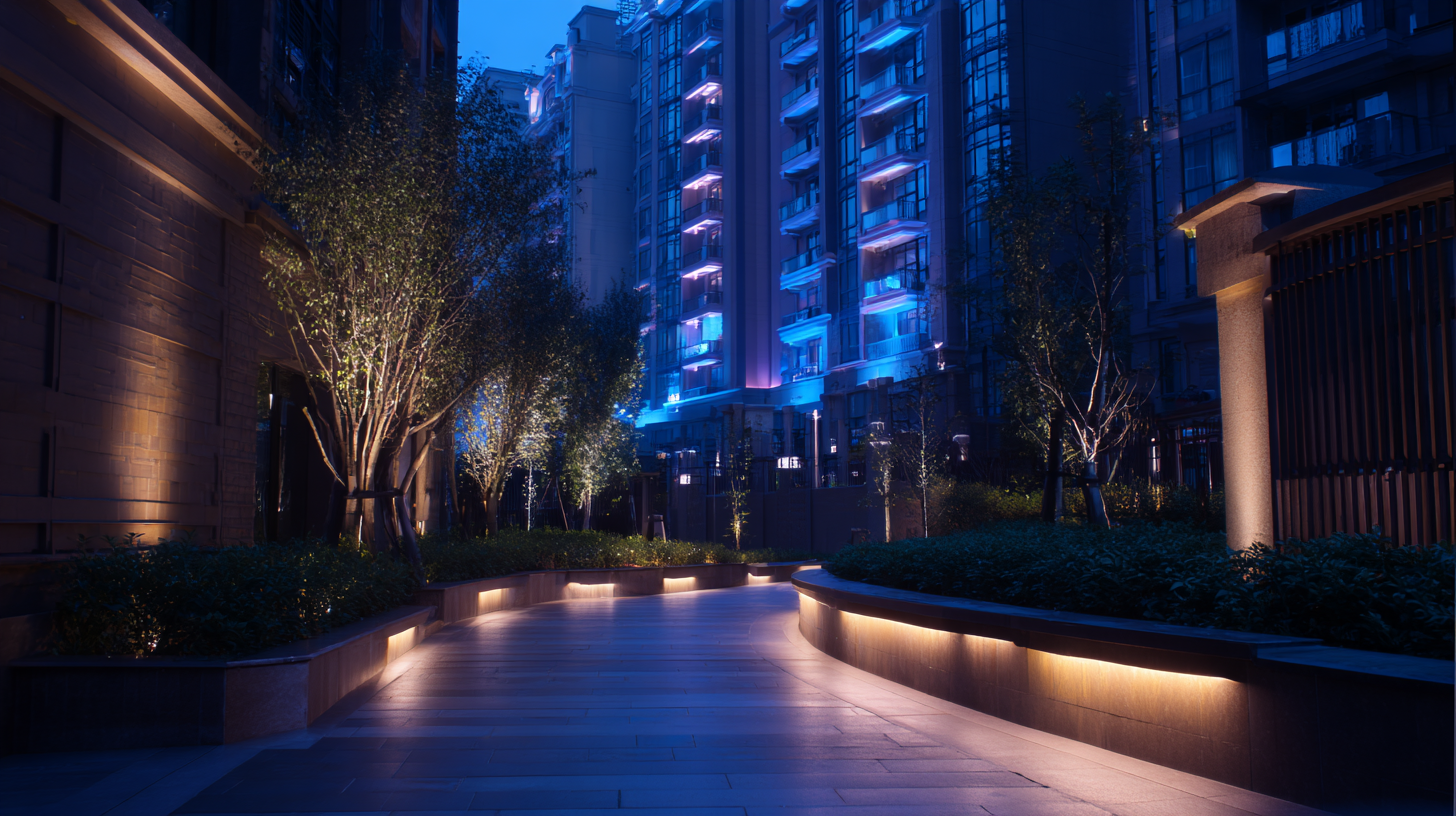
As we move further into 2023, the importance of effective Lighting Design has never been more pronounced. According to the U.S. Department of Energy, lighting accounts for nearly 15% of the average home’s electricity consumption, making it a critical area for energy efficiency improvements. With rising energy costs and a growing emphasis on sustainability, consumers and designers alike are seeking innovative ways to enhance their spaces while minimizing energy use. Recent trends highlight a shift towards LED technologies, smart lighting systems, and design strategies that harmonize aesthetics with functionality. The implementation of these trends not only improves the ambiance of a space but also contributes to significant long-term savings. By understanding the latest developments in lighting design and embracing an energy-efficient approach, homeowners and businesses can transform their environments while promoting sustainability.
Understanding the Impact of Energy-Efficient Lighting on Space and Mood
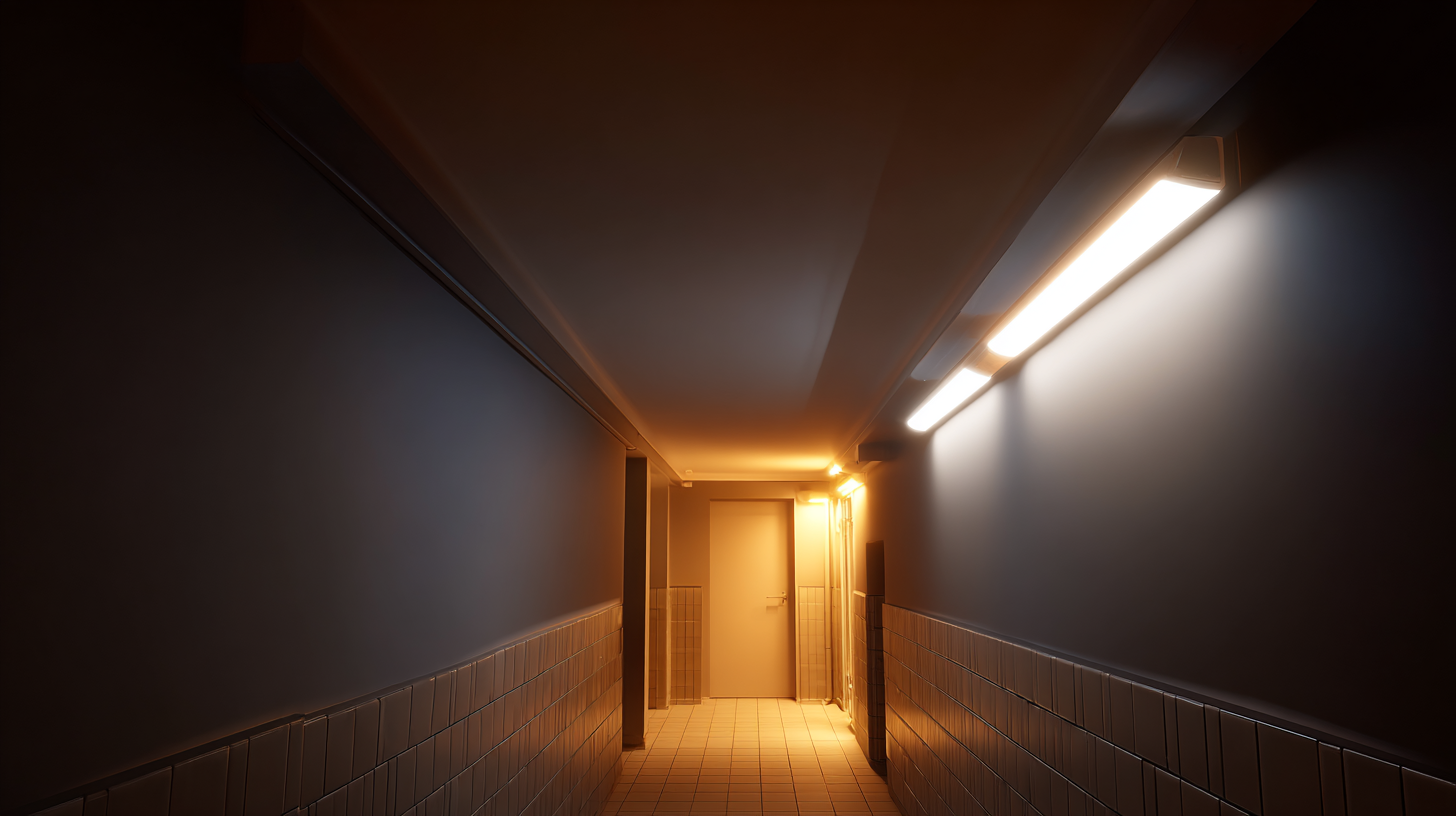
Energy-efficient lighting has a profound impact on both the aesthetic and emotional atmosphere of a space. According to the U.S. Department of Energy, implementing LED lighting can reduce energy consumption by up to 75% compared to traditional incandescent bulbs. This not only lowers energy bills but also creates a more pleasant environment, as the right lighting can enhance interior design while positively influencing mood and productivity. A study published in the Journal of Environmental Psychology indicates that natural light and well-designed artificial lighting can significantly elevate occupants' happiness and well-being.
**Tips for Improving Mood with Lighting:**
1. Utilize dimmer switches to adjust brightness according to the time of day or activity. Lower light levels can create a calm and relaxing atmosphere, while brighter settings can boost alertness.
2. Incorporate layered lighting—ambient, task, and accent lights—to achieve depth and flexibility in your space. This approach allows you to tailor the lighting to specific needs and enhances the overall visual appeal.
By understanding the impact of energy-efficient lighting on our spaces, we can create environments that not only save energy but also nurture positive emotions and improve quality of life.
Evaluating the Cost Savings and ROI of Upgrading to LED Lighting Solutions
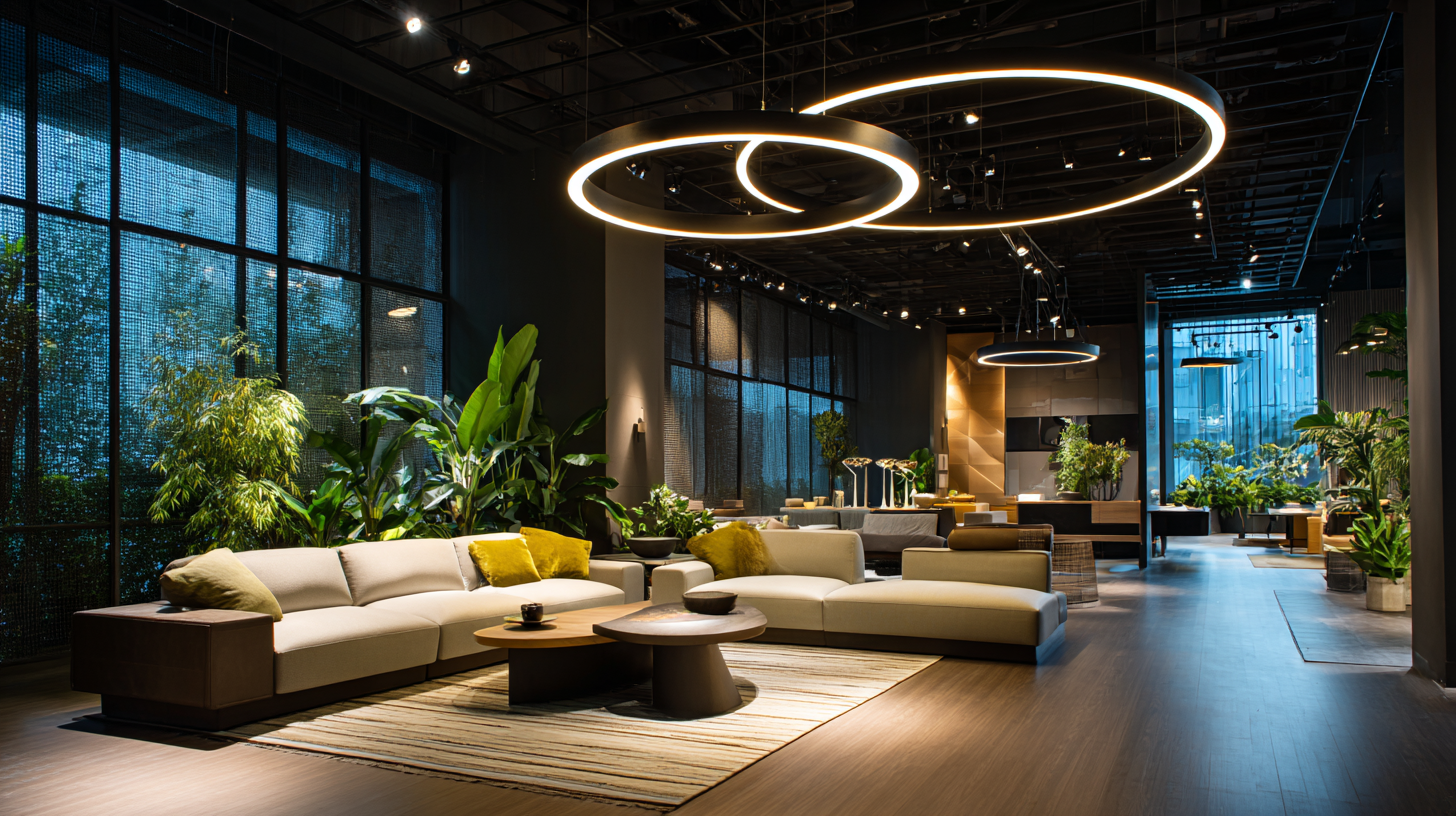
Upgrading to LED lighting solutions is not just a trend; it's a financially savvy move for homeowners and businesses alike. One of the most compelling reasons to make this switch is the significant cost savings associated with LED technology. Unlike traditional incandescent or fluorescent bulbs, LEDs consume up to 80% less energy while providing the same level of brightness. This reduction in energy consumption translates into lower electricity bills, making it a practical choice for anyone looking to enhance their space without overspending.
Moreover, the return on investment (ROI) for LED upgrades is impressive. Although the initial purchase price of LED fixtures may be higher compared to conventional lighting options, the longevity of LEDs—often ranging from 15,000 to 50,000 hours—means fewer replacements and reduced maintenance costs. When calculated over time, the savings from decreased energy usage and longer lamp lifespans typically offset the upfront costs. Additionally, many regions offer incentives or rebates for energy-efficient upgrades, further enhancing the financial appeal of switching to LED solutions. Embracing energy-efficient lighting is not only an eco-friendly choice but also a smart financial strategy that pays off in both immediate and long-term savings.
2023 Design Trends: How Smart Lighting Enhances Sustainability and Aesthetics
In 2023, smart lighting has become essential in designing energy-efficient spaces that marry sustainability with aesthetics. By incorporating advanced technologies, such as dimming systems and smart controls, homeowners can dramatically reduce their energy consumption while enhancing the visual appeal of their interiors. Smart lighting solutions allow users to adjust brightness and color temperature, creating the perfect ambiance that complements their design style without a hefty environmental cost.
**Tips:** When planning your lighting design, consider integrating lighting that responds to natural daylight. Install smart sensors that adjust artificial lighting based on the amount of sunlight entering a room. This not only saves energy but also maintains a consistent environment that is both comfortable and visually appealing.
Moreover, opt for LED fixtures, which have become the standard for energy-efficient design. They consume significantly less energy compared to traditional bulbs and last much longer. **Tips:** Look for lighting fixtures that have a timeless design and are made from sustainable materials; this not only supports eco-friendly practices but also ensures that your space remains stylish for years to come.
The Role of Daylighting in Reducing Energy Consumption in Residential and Commercial Spaces
Daylighting plays a crucial role in reducing energy consumption in both residential and commercial spaces, and recent studies underscore its significance in sustainable building design. According to the CBECS 2012 report, energy consumption in commercial buildings is heavily influenced by lighting practices, with an emphasis on natural light sources. By integrating daylighting strategies, such as skylights and large windows, buildings can significantly enhance their energy efficiency while simultaneously improving occupant well-being. For example, passive solar design utilizes the sun’s energy for heating and lighting, optimizing energy use throughout the day.
Furthermore, advances in building technologies highlight the importance of effective daylight management. Research shows that optimizing the geometry of buildings to maximize daylight exposure can lead to a 20-30% reduction in overall energy costs. In fact, a recent study utilizing multi-objective optimization for daylighting performance revealed that proper external shading combined with strategically placed windows can dramatically improve energy efficiency by regulating solar heat gain while providing ample natural light. With the tightening of energy codes, such as California's updated Title 24 lighting code, the push for buildings to minimize energy consumption through daylighting solutions has become more pronounced, promoting sustainability in architectural design.
Innovative Technologies in Lighting: The Future of Smart and Responsive Environments
As we step into a new era of interior design, innovative technologies in lighting are paving the way for smart and responsive environments. The integration of Internet of Things (IoT) devices within lighting systems allows for unprecedented control and customization, enabling users to tailor their spaces according to their preferences and activities. For instance, smart bulbs can be programmed to adjust brightness and color temperature throughout the day, enhancing productivity in workspaces and creating soothing atmospheres in living areas.
Moreover, advancements in energy-efficient lighting, such as LED technology, have made it easier to embrace sustainability without compromising on aesthetics. With features like automatic dimming and occupancy sensors, modern lighting solutions contribute not only to reducing energy consumption but also to improving the overall user experience. These smart systems can learn from user habits, making them adaptive and intuitive, ultimately transforming homes and workplaces into more responsive and efficient environments. As we look to the future, integrating innovative lighting technologies will be essential in achieving a harmonious balance between function, comfort, and sustainability.
Related Posts
-
Navigating Tariff Challenges in 2023 Unveiling Powerful Best Lighting Solutions from China
-
Ultimate Guide to Sourcing Quality Suppliers for Interior Lighting Design with Essential Criteria
-
Maximizing Efficiency Through Enhanced Lighting Lumens in Diverse Industrial Applications
-
What Are the Key Trends Shaping the Future of Home Lighting Solutions
-
Exploring Unique Features of Home Lighting Solutions and How to Choose the Right Fit for Your Needs
-
Mastering Best Lighting Design: A Comprehensive Tutorial for Optimal Illumination Techniques
Skip to content