How to Choose the Right Lighting Lumens for Any Space?
Choosing the right Lighting Lumens begins with understanding how a room will actually be used. A quiet bedroom needs softer illumination than a kitchen island used for chopping vegetables. Lumens measure visible light output, while watts mainly describe energy consumption. That distinction prevents many common lighting mistakes.
In practical projects, I have seen rooms feel uncomfortable despite having “enough” light on paper. Dark walls absorb more light, while pale surfaces reflect it across the room. Ceiling height, fixture placement, bulb color, and shade design also change the result. A 1,600-lumen fixture may suit a small dining area, but it could feel weak above a long table. A compact reading corner may need focused task lighting instead of a brighter ceiling lamp.
There is no universal lumen number. That is the honest part. Room size, age-related vision changes, furniture, and personal comfort all influence the final choice. Reliable planning combines lumen guidance with real observation. Check manufacturer specifications, compare beam angles, and test the light at night before installing several fixtures. A dimmer can provide useful flexibility, although not every bulb or fixture supports dimming safely. For complex wiring or permanent installations, advice from a qualified electrician adds important protection. The best lighting plan balances measurable output with human experience. Sometimes, the brightest option is not the most useful one.
Understanding Lumens and Their Role in Lighting Selection
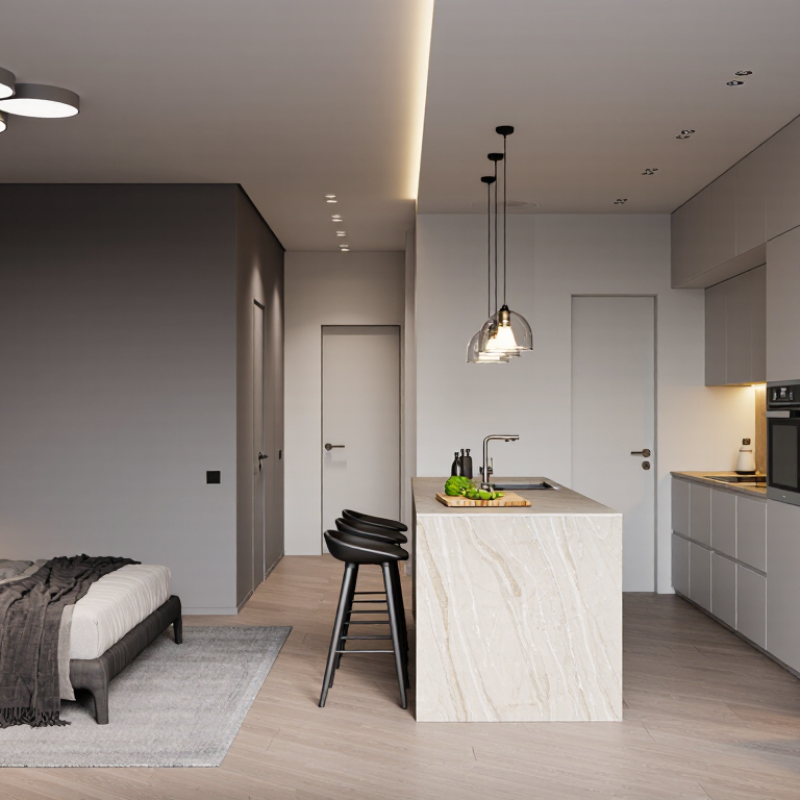
Lumens measure the visible light produced by a lamp, while watts measure energy use. More watts do not always mean brighter light. When choosing lighting, consider the room’s size, purpose, ceiling height, and surface colors. Pale walls reflect light, but dark furniture absorbs it.
A bedroom often works well with 1,000–2,000 total lumens. A kitchen may need 3,000–6,000 lumens because food preparation requires clearer visibility. These figures are starting points, not strict rules. I once used a bright ceiling fixture in a small study. The room was technically well lit, yet the glare made reading uncomfortable. Layered lighting would have worked better.
Use ambient lighting for general brightness, task lighting for detailed activities, and accent lighting for visual focus. A desk lamp near a notebook may need only 500–1,000 lumens, depending on its shade and distance. Light distribution matters as much as the lumen number. A narrow beam can create harsh shadows, while a frosted shade spreads light more gently. Check the product’s lumen rating, beam angle, and color temperature before buying. Measurements can still mislead. Room layouts change, and personal vision differs. Testing one fixture in the actual space often reveals problems that a specification sheet cannot show.
How to Choose the Right Lighting Lumens for Any Space? — Understanding Lumens and Their Role in Lighting Selection
| Space or task | Suggested illuminance | Example area | Light reaching the surface | Approximate fixture output* |
|---|---|---|---|---|
| Living room — general lighting | 100–200 lux | 20 m² | 2,000–4,000 lumens | 3,300–6,700 lumens |
| Kitchen — general lighting | 200–300 lux | 12 m² | 2,400–3,600 lumens | 4,000–6,000 lumens |
| Kitchen countertop — task lighting | 300–500 lux | 3 m² | 900–1,500 lumens | 1,500–2,500 lumens |
| Bedroom — general lighting | 100–200 lux | 14 m² | 1,400–2,800 lumens | 2,300–4,700 lumens |
| Bathroom — general lighting | 200–300 lux | 6 m² | 1,200–1,800 lumens | 2,000–3,000 lumens |
| Home office — desk and work area | 300–500 lux | 10 m² | 3,000–5,000 lumens | 5,000–8,300 lumens |
| Dining area — general lighting | 100–200 lux | 12 m² | 1,200–2,400 lumens | 2,000–4,000 lumens |
| Hallway or corridor | 50–100 lux | 5 m² | 250–500 lumens | 420–830 lumens |
How to read the table: Lux measures light on a surface; lumens measure light emitted by a source. Surface lumens are estimated by multiplying target lux by area in square metres. *Fixture output estimates assume approximately 60% of emitted light reaches the area. Actual requirements vary with room shape, ceiling height, fixture placement, surface colours, and shades or diffusers. Use layered lighting and separate task lights where needed.
Assessing Room Size, Function, and Desired Brightness
How to Choose the Right Lighting Lumens for Any Space?
Room size provides a useful starting point, but it does not decide everything. A small study may need more light than a spacious bedroom. Measure the room’s length and width, then multiply the area by a suitable lumen range. General living areas often need 10–20 lumens per square foot. A kitchen may require 70–100 lumens per square foot for detailed tasks. These figures are starting points, not strict laws.
Function changes the target. Reading beside a chair needs focused light, while watching television requires softer surrounding illumination. In a bathroom, bright light near the mirror helps with grooming. In a bedroom, excessive brightness can feel harsh at night. Layered lighting works well: combine ceiling fixtures, task lamps, and indirect accents. Keep the controls separate. That small choice improves comfort.
Desired brightness also depends on wall color, ceiling height, and eyesight. Dark finishes absorb light, so the same lumen output may appear weaker. High ceilings spread light across a larger volume. I once chose a fixture by room size alone, and the corner still looked dull. That mistake changed my method. Test the space after installation, preferably at different times of day. If shadows remain on a work surface, add task lighting instead of simply increasing every lamp’s output. Kelvin color temperature matters too, although lumens measure brightness, not warmth. Use the numbers carefully.
Matching Lumens to Common Residential and Commercial Spaces
Lumens measure the amount of light a lamp produces, not how bright a room will feel. Room size, ceiling height, wall color, and fixture placement all affect the result. For a 100-square-foot living room, roughly 1,000 to 2,000 total lumens can provide comfortable general lighting. Add a separate reading light near a chair rather than making the ceiling fixture do everything. Kitchens often need about 3,000 to 4,000 lumens overall, with focused light over counters. A small bathroom may need around 1,500 to 2,500 lumens, spread evenly to reduce harsh shadows at the mirror. These are starting points, not rules.
In an office, about 3,000 to 5,000 lumens per 100 square feet can support desk work, depending on daylight and screen use. A shop floor or studio may need stronger, carefully placed lighting so labels, tools, and color details remain visible. Hallways usually need less; around 500 to 1,000 lumens per 100 square feet may be enough. Check the fixture’s total output, then consider how many fixtures the space needs. Too much light can cause glare. I’ve found that a bright bulb aimed at a glossy countertop can feel less useful than softer light from two directions. Test the setup at night, when daylight no longer hides uneven spots.
Adjusting Lighting Choices for Fixtures, Color, and Efficiency
Choosing lumens starts with the fixture, not just the room’s floor area. A shaded pendant can hide useful light, while a clear globe may create glare at eye level. Check the fixture’s rated maximum wattage and compatible lamp types before increasing output. For reading, place a task lamp near the page; for a hallway, spread light evenly to soften dark patches. Small adjustments matter.
Color temperature changes how brightness feels. Warm light around 2700–3000 K often suits bedrooms and living areas, while cooler light can help kitchens and workspaces feel more alert. The U.S. Department of Energy’s Solid-State Lighting report notes that LED color appearance depends on correlated color temperature, while color quality also depends on spectral characteristics. So Kelvin alone is not the whole story. A sample bulb can look different against cream walls than against white tile.
Efficiency is another part of the choice. The U.S. Department of Energy reports that ENERGY STAR-qualified LEDs use at least 75% less energy and last up to 25 times longer than incandescent lighting. Compare lumens per watt on product labels, then consider dimmer compatibility and how many hours the light stays on. I have found that a high-output bulb can still feel harsh in a small room. Sometimes the fixture is the problem, not the lumen count.
Checking Light Distribution, Dimming, and Layered Lighting Needs
A lumen rating tells you how much light a fixture emits, not where that light lands. Check beam spread and mounting height: a narrow beam can brighten a kitchen counter but leave the corners dim, while a broad beam may create glare on a glossy table. EN 12464-1:2021 specifies 500 lux maintained illuminance for office reading and writing tasks. That is a desk-plane target, not a whole-room lumen recipe. I still find it easy to overlight a room by judging from the fixture label alone.
Dimming helps adjust light for different tasks and times of day, but only when the lamp, dimmer, and control system are compatible. Test the lowest setting for flicker, buzzing, or sudden drop-offs. Then layer ambient light with focused task lighting and softer accent light. For example, use general ceiling light in a living room, a reading lamp beside the chair, and a low-level wash on a bookcase. More layers. Less glare.
Tips: Sit where you’ll read and check the page for shadows. Aim task lights away from screens and reflective surfaces. Try dimming before choosing final lumen output; a room can look bright on paper and feel flat in practice.
Related Posts
-
How to Choose the Best LED Lighting Solutions?
-

Unlocking Global Markets: The Essential Certifications for the Best LED Lighting Solutions
-
Elevating Global Standards through Best Led Light Design Made in China
-
Unlocking the Advantages of Innovative Led Lighting Solutions
-
Advantages of Choosing Led Lighting Solutions for Your Business
-
How to Maximize Energy Efficiency with LED Lighting: Insights from Industry Studies
Skip to content