Why is Shale Shaker Screen Important for Drilling Efficiency?
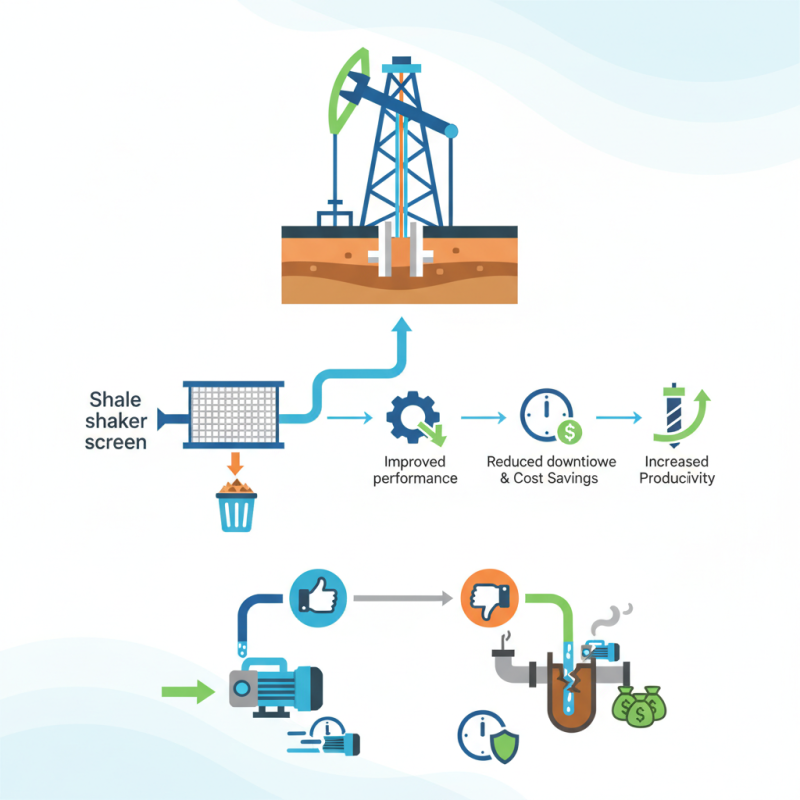
shale shaker screen plays a crucial role in drilling operations. It is designed to separate drilling fluid from solid particles. Efficient separation enhances the overall drilling performance. A quality shale shaker screen can minimize downtime. This leads to cost savings and improved productivity in drilling projects.
However, not all shale shaker screens are created equal. Some may fail to meet the rigorous demands of different drilling environments. The right screen can improve fluid flow rates significantly. It can also reduce the risk of equipment failure. Poor choices in screen type may lead to lost time and increased expenses.
In the competitive drilling industry, effectiveness matters. Each component contributes to the overall efficiency of the operation. Selecting the proper shale shaker screen demands careful consideration. Operators must assess their specific needs. Ignoring this detail can create problems later. Understand the importance of this critical element in drilling efficiency.
The Role of Shale Shaker Screens in Drilling Operations
Shale shaker screens play a crucial role in drilling operations. They help separate cuttings from the drilling fluid. This process is essential for maintaining drilling efficiency. A well-functioning screen prevents costly down time. It also reduces the risk of damaging equipment. Operators must regularly inspect and maintain these screens.
The effectiveness of shale shaker screens can vary. Sometimes, they may not filter particles as expected. This can lead to larger debris entering the system. As a result, the drilling operation could face delays. Finding the right balance for screen mesh size is vital. It can significantly impact overall performance.
Frequent monitoring is necessary to ensure optimal function. Drillers may overlook this aspect at times. It’s important to reflect on these practices and identify areas for improvement. Investing in proper training for the crew can help address potential issues. Regular evaluations can lead to enhanced drilling efficiency overall.
Impact of Shale Shaker Screen Efficiency on Cost Management
The efficiency of shale shaker screens directly influences cost management in drilling operations. A recent industry report indicated that drilling can incur up to 30% of total project costs due to inefficient solids control systems. If the shale shaker fails to separate cuttings effectively, it can lead to drilling fluid losses. This, in turn, increases the need for frequent fluid replacement.
Data show that optimizing screen mesh size can enhance performance by around 15%. However, many operators overlook this detail, leading to poorly managed mud properties. The cost implications of using the wrong screen can escalate quickly. For instance, every extra hour spent in drilling due to ineffective solids control can add thousands to overall expenses.
Operators must also consider maintenance. Shale shaker screens experience wear and tear, which can go unnoticed until it’s too late. Regular inspection and replacement are crucial but often neglected. This oversight can result in unplanned downtime, further driving costs up. Ultimately, the impact of shale shaker screen efficiency extends far beyond immediate performance; it drives the financial success of drilling projects.
Analysis of Solids Control through Advanced Shaker Screen Technology
Shale shaker screens play a critical role in drilling operations. These screens separate solids from drilling mud. The efficiency of this process directly affects overall drilling performance. Advanced shaker screen technology has revolutionized solids control. It enhances the separation efficiency and leads to cleaner drilling fluid.
One key aspect of this technology is its design. Screens come in various mesh sizes. Choosing the right size is crucial for optimal performance. A finer mesh can trap more solids, but may also slow down the flow rate. It's a balancing act that requires careful consideration. Each drilling site presents unique challenges. Adjusting the screen is necessary for different formations.
However, not every choice is straightforward. Sometimes, a screen may not perform as expected. This can lead to increased costs and delays. Operators must regularly evaluate their screens. Continuous monitoring is essential for identifying issues and making necessary adjustments. It’s an ongoing learning process in the quest for drilling efficiency. Embracing technology can bring significant improvements, but it requires vigilance and adaptability.
Why is Shale Shaker Screen Important for Drilling Efficiency? - Analysis of Solids Control through Advanced Shaker Screen Technology
| Parameter | Importance | Impact on Efficiency | Recommended Technology |
| Screen Mesh Size | Filters out unwanted solids | Affects flow rates and drilling progress | Composite Shaker Screens |
| Durability | Resistance to wear and tear | Reduces downtime due to replacements | High-Strength Polymer Screens |
| Fluid Management | Optimizes fluid usage | Improves overall drilling performance | Hydraulic Shaker Systems |
| Vibrations | Enhances solids separation | Increases shaker efficiency | Variable Frequency Drives |
| Maintenance | Regular checks ensure performance | Minimizes unexpected failures | Remote Monitoring Systems |
Correlation Between Shale Shaker Screen Quality and Drilling Performance
The quality of shale shaker screens plays a critical role in drilling performance. These screens separate solids from drilling fluid, ensuring efficient circulation. If a screen is poor in quality, it can lead to significant issues. For instance, larger particles may pass through, mixing with the fluid. This can affect the viscosity, making it harder to control.
A finer mesh can better capture unwanted solids. However, if the screen opens too tightly, it may clog easily. This can slow down the drilling process. Drillers often face a trade-off: greater efficiency versus screen durability. Finding the right balance is essential.
It's important to regularly inspect and maintain these screens. Neglecting them can lead to unexpected downtime. Realizing this can improve overall efficiency. Continuous monitoring ensures that operators can make timely adjustments. This ultimately impacts drilling success and costs.
Industry Trends: Innovations in Shale Shaker Screen Design and Materials
The design and materials of shale shaker screens have undergone significant innovations recently. This is crucial for drilling efficiency. Advanced mesh materials such as polyurethane and composite structures enhance durability. According to a recent report, the use of these materials can improve screen life by up to 30%. This optimization reduces costs and downtime.
Trends in dual-gradient technology are also emerging. This technique allows better separation of solids and fluids, leading to cleaner drilling liquids. A study indicated a 20% increase in overall drilling efficiency when these systems are utilized. However, some industry experts raise concerns. The cost of implementing these technologies can be prohibitive. Smaller operators may struggle to adopt these innovations.
While innovations are promising, they come with challenges. Designing a screen that balances durability, cost, and efficiency is difficult. There are still gaps in the understanding of performance under extreme conditions. More research is needed to fully harness the potential of these advanced materials. The industry must continually evaluate the trade-offs involved in adopting new technologies.
Importance of Shale Shaker Screen for Drilling Efficiency
 Skip to content