Top 10 Wall Panels for Global Buyers in 2026
For global buyers, Wall Panels are no longer chosen for appearance alone. In 2026, a realistic purchase decision must balance design, durability, installation speed, safety, and long-term maintenance. A glossy surface may look impressive in a showroom. It can still fail in a humid bathroom, busy hotel corridor, or poorly ventilated office.
This guide examines ten Wall Panels suited to different international projects and buying conditions. The comparison considers moisture resistance, fire performance, acoustic value, material composition, surface stability, cleaning requirements, and installation complexity. It also considers shipping weight, available certifications, replacement access, and supplier transparency. Local building codes still matter. A panel accepted in one market may require additional testing elsewhere.
Building-science expert Dr. Joseph Lstiburek offers a useful principle: “A wall must control rain, air, vapor, and heat.” That idea applies beyond exterior construction. It reminds buyers to examine the complete wall assembly, not only the decorative face. Good decisions begin with the substrate, fixings, joints, ventilation, and expected indoor conditions.
The ranking is practical, not absolute. No single panel suits every climate or budget. Some recycled materials look promising but need closer inspection of emissions and certification records. Some lightweight products install quickly yet provide limited impact resistance. These weaknesses deserve attention.
Expect clear comparisons, realistic trade-offs, and details that affect daily use. The best Wall Panels are not always the most fashionable. They are the ones that remain safe, serviceable, and visually consistent after years of real-world use.
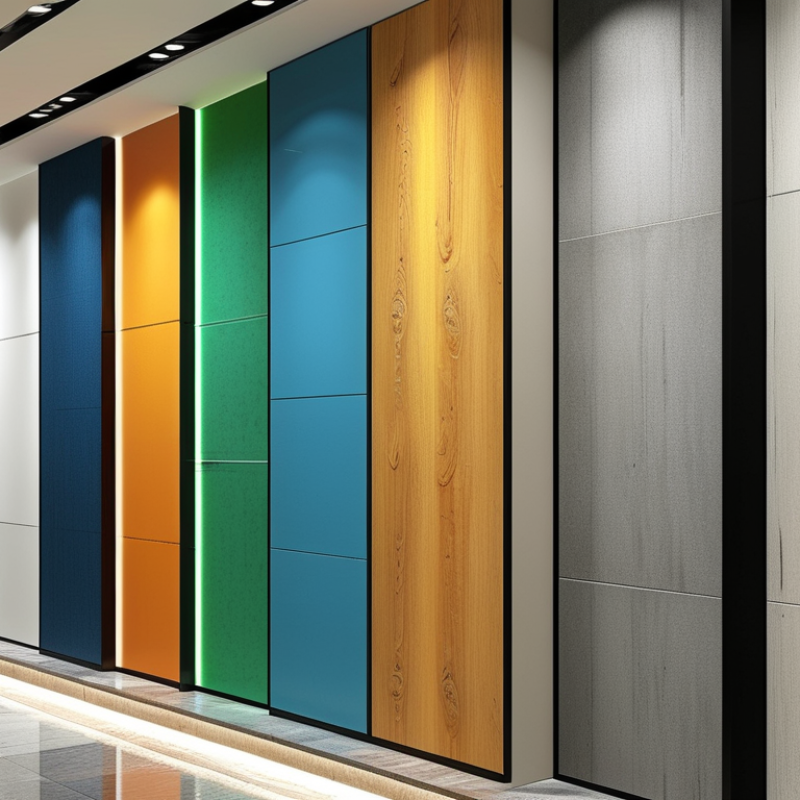
What Wall Panels Are and Why Global Buyers Need Them in 2026
Wall panels are factory-made surfaces fixed over walls for decoration, protection, insulation, or acoustic control. Common materials include wood fiber, mineral fiber, PVC, aluminum, and composite boards. In 2026, global buyers need more than attractive textures. They need stable specifications, tested performance, and predictable installation.
Grand View Research valued the global wall panels market at about USD 14.8 billion in 2023. Its forecast indicates continued growth through 2030, supported by renovation, commercial construction, and modular interiors. MarketsandMarkets also reports rising demand for acoustic panels as offices, hotels, schools, and healthcare spaces manage noise more carefully. These figures use different market definitions. They should not be treated as identical facts.
A buyer should request fire-resistance reports, formaldehyde data, moisture limits, and acoustic test results. Check whether testing follows recognized standards, such as ASTM, EN, or ISO methods. Ask for panel thickness, core density, edge details, carton protection, and installation drawings. A sample wall can reveal color variation, joint visibility, and cutting difficulty. It is easy to overlook those details. In my experience, a beautiful sample may fail when humidity changes during shipping. Sustainability claims also require evidence, including recycled content, environmental declarations, or chain-of-custody documents. Ten promising wall-panel options may differ sharply in maintenance, replacement cost, and local installer availability.
How to Compare Wall Panels by Material, Performance, and Cost
Top 10 Wall Panels for Global Buyers in 2026
Material selection should match the room, climate, and maintenance plan. PVC panels resist moisture and usually offer the lowest installed cost. WPC panels feel warmer, but quality varies between core formulas. MDF provides a smooth painted surface, yet humidity can cause swelling. Plywood offers stronger screw holding and better repairability. Solid wood adds natural character, although movement requires careful installation. Bamboo can be attractive and renewable, but moisture protection must be verified. Metal panels provide impact resistance and a modern appearance. Stone veneer looks substantial, but transport and supporting structures increase costs. Ceramic panels handle heat and cleaning well, while acoustic PET panels reduce echo in busy interiors.
Performance data matters more than a showroom sample. Compare water absorption, scratch resistance, fire classification, acoustic ratings, and formaldehyde emissions. Ask for independent test reports, not only supplier claims. Check panel thickness, joint design, and replacement availability. A beautiful panel may fail at its edges. Installation quality matters greatly.
Cost comparisons should include delivery, trims, labor, waste, and future repairs. My early mistake was comparing panel prices alone. That method underestimated accessories by nearly a quarter on one project. Request samples and test them with local humidity and cleaning products. Also confirm whether warranties apply across borders. The cheapest option is not always economical. Neither is the most expensive. Temperature changes, freight damage, and limited installers can alter the final decision.
Top 10 Wall Panels for Global Buyers in 2026
How to compare wall panels by material, performance, and cost
The chart compares typical installed cost and expected service life for ten widely used wall-panel materials. Costs are indicative global ranges converted to representative midpoints in USD per square metre and may vary according to specifications, labor, shipping, and local regulations. Service life depends on installation quality, exposure, maintenance, and application.
Top 10 Wall Panel Types for International Construction Projects
Top 10 Wall Panels for Global Buyers in 2026
International construction projects need wall panels that balance climate, cost, installation, and maintenance. The ten practical types are gypsum, calcium silicate, fiber cement, wood, bamboo, metal, high-pressure laminate, PVC, acoustic PET, and mineral composite panels. Each serves a different building condition. Gypsum suits dry interiors and fast partitions. Calcium silicate handles moisture better. Fiber cement supports demanding façades. Wood and bamboo add warmth, but require careful moisture control. Metal panels offer durability and clean detailing. High-pressure laminate resists impact in busy corridors. PVC cleans easily, although fire and environmental requirements need close review. Acoustic PET improves sound control in offices and schools. Mineral composites can provide strong surface performance.
The United Nations Environment Programme reported that buildings consumed 34% of global energy in 2022. They also produced 37% of energy and process-related carbon emissions. This data makes panel selection more than an appearance decision. Buyers should request tested thermal, acoustic, fire, moisture, and emissions data. Generic claims are not enough. A panel that performs well in a dry warehouse may fail beside a humid coastal site. Field inspections often reveal weak joints before damaged boards. Installation details matter.
Global buyers should also check recycled content, repair options, packaging, and local labor skills. The World Green Building Council links material choices with whole-life carbon reduction, but product comparisons remain inconsistent. That is a real weakness. A lower-carbon panel may still create waste through difficult cutting. Samples should be tested under local heat, humidity, and cleaning routines. The cheapest quotation can become expensive after replacement, delays, and specialist labor.
Key Standards, Certifications, and Shipping Factors for Global Buyers
For global buyers, the top ten wall panels in 2026 are not judged by appearance alone. They include fire-rated mineral, acoustic PET, waterproof PVC, bamboo fiber, and HPL panels. Other options include insulated sandwich, gypsum, wood-plastic composite, stone veneer, and aluminum honeycomb panels. Each option needs evidence for its intended room, climate, and installation method. A factory sample can look excellent, yet warp after weeks of humidity. That gap deserves honest testing.
Ask for reports covering fire reaction, formaldehyde emissions, moisture resistance, impact strength, and acoustic performance. Certification requirements vary by destination, so verify issuing bodies and report validity. Depending on the market, buyers may also need recognized conformity marks and local building approval. Check product composition, batch traceability, packing details, and installation instructions. Pallet dimensions matter. A compliant panel may still fail when poor packaging causes corner damage or condensation during sea transport. Do not rely on a certificate copied into a sales brochure.
Tips: Match certification to the destination country, not only the supplier’s domestic market. Confirm container loading plans, moisture barriers, customs classification, insurance terms, and replacement procedures before payment. Request packed-pallet photographs and inspect a pre-shipment sample when possible. Leave tolerance for color variation between batches. I have seen schedules slip because one missing document held a shipment at the port. Small checks prevent expensive rework.
How to Select the Right Wall Panel for Different Building Applications
Top 10 Wall Panels for Global Buyers in 2026
How to Select the Right Wall Panel for Different Building Applications
Wall panels must match the building’s risks, not only its appearance. For houses, gypsum, wood, and decorative PVC panels can suit dry interior rooms. Kitchens and healthcare areas need washable, moisture-resistant surfaces. Fiberglass-reinforced plastic panels often perform better where frequent cleaning is expected. Acoustic PET panels help offices, classrooms, and studios reduce reverberation. Small details matter.
For warehouses and workshops, insulated metal sandwich panels can improve thermal control and installation speed. Exterior applications may require fiber cement, ceramic, stone veneer, or high-pressure laminate panels. In coastal regions, corrosion resistance deserves more attention than color. The IEA reports that buildings consume about 30% of global final energy. Better insulation can therefore reduce operating pressure, although panel performance depends heavily on joints and workmanship.
Fire classification, impact resistance, water absorption, and thermal conductivity should be checked through independent test reports. ASTM E84, EN 13501-1, and ISO 717 may support different performance decisions. The 2023 UNEP Global Status Report states that buildings and construction produce about 37% of global energy-related and process-related emissions. Material selection affects more than decoration. Ask for recycled content and environmental product declarations when available. Do not trust a catalog alone. On-site measurements sometimes reveal uneven walls, hidden moisture, or unsuitable fasteners. That part is easy to overlook. A cheaper panel can become expensive after repairs.
 Skip to content